




What Is Google Dorking? How It Works & Common Commands

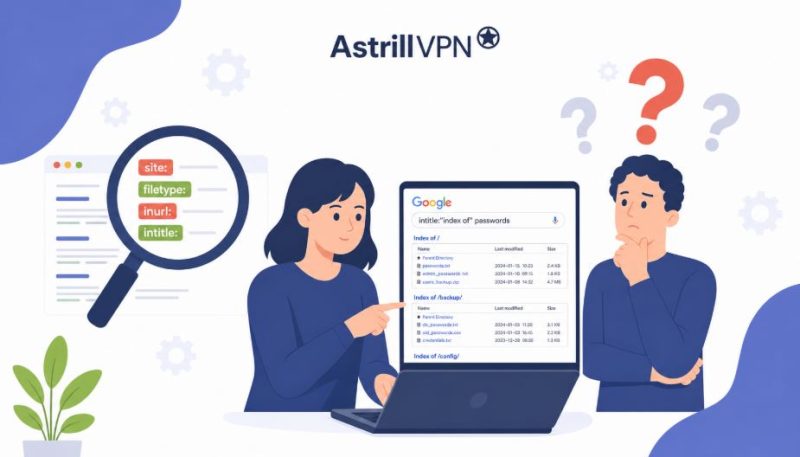
Search engines are a great way to find information quickly, but sophisticated search methods can reveal much more than ordinary search results. A powerful method is Google dorking, also called Google hacking. Using special search operators, people can find specific documents, web pages, folders, and publicly available information that are not easily found through straightforward searches. In fact, recent analysis of cybersecurity incidents has found that about 31% of breaches are triggered by systems that are vulnerable and open to the public, through reconnaissance using search techniques such as Google dorking.
As a result, Google dorking is a very useful tool in cybersecurity, helping security experts uncover exposed data, misconfigured systems, and vulnerabilities that can be exploited. Exploitation and vulnerabilities recorded a sharp increase of more than 40% so far in 2026. However, it is still possible that cybercriminals can abuse these techniques to find sensitive data that organizations have unknowingly made available to the public. Knowing what Google dorking is, how it operates, and the commands used can help both individuals and companies better secure their online resources.
Table of Contents
What Is Google Dorking?
Google dorking is the practice of using advanced Google search operators to find specific information that may not appear in standard search results. The technique leverages Google’s indexing capabilities to locate publicly accessible content such as documents, login pages, configuration files, directories, and other resources.
The term “Google hacking” is often used interchangeably with “Google dorking” because it involves using search queries to uncover information that could reveal security weaknesses. However, Google dorking itself does not involve hacking into systems. Instead, it identifies information that is already accessible through search engines.
Security researchers commonly use Google dorking to discover exposed data and help organizations address security issues before they can be exploited.
What Is Google Hacking?
Google hacking refers to the use of advanced Google search techniques to identify information that may reveal vulnerabilities or security risks. The process relies on carefully crafted search queries, known as Google dorks, to locate specific types of indexed content.
Google hacking can be used for both defensive and offensive purposes. Ethical security professionals use it to assess exposure risks and strengthen cybersecurity defenses, while malicious actors may attempt to use the same techniques to gather intelligence for cyberattacks.
How Does Google Dorking Work?
- Google continuously crawls and indexes publicly accessible web pages across the internet. During this process, it stores information about websites, files, directories, and other online resources.
- Google dorking works by combining search operators with keywords to narrow search results and identify specific content.
- Instead of performing a general search, users can instruct Google to search within URLs, page titles, file types, domains, or particular text patterns.
- For example, a search operator might be used to find PDF files related to a specific topic or identify publicly available directories on a website.
- The effectiveness of Google dorking comes from Google’s extensive indexing capabilities, which allow users to discover information that website owners may not realize is publicly visible.
Common Google Dorking Commands
Google dorking relies on search operators that help refine search results. Below are some of the most commonly used commands.
site:
The site: operator restricts search results to a specific website or domain.
Example:
site:example.com cybersecurity
This search displays pages related to cybersecurity within the specified domain.
intitle:
The intitle: operator searches for pages containing specific words in their titles.
Example:
intitle: “security report.”
This command finds pages with the phrase “security report” in the title.
inurl:
The inurl: operator searches for specific keywords within URLs.
Example:
inurl: admin
This query finds pages whose URLs contain the word “admin”.
filetype:
The filetype: operator searches for specific file formats.
Example:
filetype: pdf cybersecurity guide
This search returns PDF documents related to cybersecurity guides.
intext:
The intext: operator looks for specific words or phrases within the content of web pages.
Example:
intext: “password policy.”
This command searches for pages containing the phrase “password policy.”
cache:
The cache: operator displays Google’s cached version of a webpage.
Example:
cache:example.com
Users can view how Google last indexed the page.
related:
The related: operator identifies websites similar to a specified domain.
Example:
related:example.com
This command helps users discover comparable websites.
OR Operator
The OR operator searches for either keyword.
Example:
cybersecurity OR information security
This broadens the search to include both terms.
Quotation Marks (” “)
Quotation marks force Google to search for an exact phrase.
Example:
“network security best practices”
Only pages containing the exact phrase will appear.
Can a VPN Protect Against Google Dorking?
A VPN does not really stop Google from crawling your website and extracting information using its advanced search techniques. Google dorking is a method for finding information that is already publicly available and stored in search engines’ indexes. A VPN primarily encrypts internet traffic and hides a user’s IP address; therefore, it does not prevent Google from indexing publicly exposed content. On the other hand, VPNs can still be very useful and effective in mitigating the risk of information leakage when combined with other security measures.
Securing Remote Connections
The VPNs safeguard employees and remote workers when they access company resources over public Wi-Fi networks or other untrusted networks. In fact, by encrypting traffic, VPNs make it hard for hackers to eavesdrop, conduct a man-in-the-middle attack, or intercept sensitive data without authorization.
Restricting Access to Internal Resources
One way organizations can implement protective measures is to keep sensitive services such as administrative dashboards, management portals, and databases behind the VPN firewall. Therefore, when these resources require a secure VPN connection to be accessed, they cannot be exposed to the public internet. Consequently, they cannot be indexed by search engines or found via Google dorking.
Limiting Public Exposure
Using a VPN allows businesses to segregate their internal infrastructure from their public-facing infrastructure. By ensuring that the most sensitive systems are accessible only through private networks, companies drastically reduce the risk of accidental exposure or unauthorized access.
Enhancing Privacy
Another convenient feature of VPNs is that they mask users’ IP addresses, making it difficult for ISPs (Internet Service Providers), advertisers, and other third parties to track them. Although this has nothing to do with Google directly, it is indeed a step in reinforcing privacy and security.
Google Dork Search Techniques
Google dork searches can be tailored to locate specific types of information. Common search objectives include:
Finding Public Documents
Users can search for PDFs, spreadsheets, presentations, and other file types using the filetype operator.
Identifying Exposed Directories
Search operators can help locate publicly accessible directories that may contain files.
Discovering Login Portals
Search queries can identify publicly accessible login pages and administrative interfaces.
Researching Website Content
Organizations can use Google dorking to understand what information about their websites is visible in search engine indexes.
Security Auditing
Security teams often use Google dorking as part of routine assessments to identify accidental data exposure.
Benefits of Google Dorking for Security Professionals
When used responsibly, Google dorking provides several cybersecurity benefits.
Identifying Exposed Sensitive Information
Google dorking helps security teams discover publicly accessible files, documents, and web pages that may contain sensitive information. Organizations often unintentionally expose reports, configuration files, backups, or other resources that become indexed by search engines. Finding these exposures early allows organizations to secure or remove the content before it can be misused.
Detecting Security Misconfigurations
Misconfigured servers, databases, cloud storage services, and web applications can expose information to the public internet. Google dorking enables security professionals to identify these issues by locating resources that should not be publicly accessible, helping organizations correct configuration errors before they become security incidents.
Supporting Vulnerability Assessments
During authorized security assessments, Google dorking serves as a reconnaissance tool that helps researchers understand publicly available information about a target organization. This visibility can reveal potential weaknesses and provide valuable insights for improving security controls.
Monitoring Organizational Exposure
Organizations can use Google dorking to regularly monitor their digital footprint and determine what information search engines have indexed. This proactive approach helps security teams track newly exposed content, verify that sensitive data remains protected, and maintain better control over publicly available information.
Enhancing Threat Intelligence
Google dorking can support threat intelligence efforts by helping researchers identify exposed technologies, publicly accessible services, and potential attack surfaces. Understanding what information is visible online enables organizations to assess risks more effectively and prioritize security improvements.
Improving Incident Response Investigations
Following a security incident, investigators may use Google dorking to determine whether sensitive information was publicly accessible before or during the breach. This information can help establish the scope of exposure and guide remediation efforts.
Raising Security Awareness
Google dorking demonstrates how much information can be discovered through publicly available search engines. Security teams often use it as an educational tool to raise awareness among administrators, developers, and business leaders about the importance of proper security configurations and data protection practices.
Strengthening Preventive Security Measures
By regularly conducting Google dorking assessments, organizations can identify and address potential exposures before malicious actors discover them. This proactive approach helps reduce attack surfaces, improve compliance, and strengthen overall cybersecurity defenses.
Risks Associated With Google Dorking
Although Google dorking has legitimate uses, it also presents risks when sensitive information becomes publicly accessible.
Even though using Google dorking is a valid method leveraged by security experts, it can also reveal serious security and privacy threats if sensitive data is openly available. Cyber attackers often employ these very search techniques to locate unprotected systems and collect data for their assaults. Recognizing these dangers will help companies make efforts to minimize their exposure to such threats.
Exposure of Sensitive Data
The main danger of Google dorking is that hidden information can come to light if search engines index it without the owners’ knowledge. Files, sheets, databases, backups, and setup files accessible to the public may contain private company data, client details, or internal documents. Once discovered by search engines, such data can typically be located via specific searches.
Increase in Cyberattack Vulnerabilities
Hackers rely on Google dorking to carry out thorough surveillance before launching cyberattacks. They check for login pages, applications, folders, and other resources exposed to the internet to collect pertinent details about the targets at their disposal. The gathered data enables them to strategize phishing attacks, identify loopholes, or attempt unauthorized entry.
Locating Weak Systems
Sometimes, companies make old software, testing areas, or wrongly configured services available to the wider internet. Google dorking can help locate these systems more easily, thereby enabling potential attackers to pinpoint potential weaknesses that, if left unsecured, they could exploit to invade the system.
Unintentional Sharing of Credentials and Authentication Data
There are instances in which unprotected documents include lists of usernames, email addresses, API keys, or other authentication-related information. Should such data be indexed by search engines, it could be exploited by perpetrators to carry out account compromises or other malicious activities.
Privacy Breaches
One can disclose very private information through Google dorking that an individual never intended to share publicly. The publication of personal details, such as contact information, documents, and sensitive records, may lead to privacy violations, identity theft, or increased unwanted publicity.
Compliance and Regulatory Issues
Customers’ details, financial records, or other types of regulated data that organizations manage might put them in breach of compliance rules if such information is accessible to everyone. Giving away protected content may be subject to penalties from regulators, legal consequences, and the issuance of breach notifications under relevant laws and regulations.
Harm to Reputation
When an organization’s data exposure is discovered through Google dorking, its reputation could be adversely affected. Clients, partners, and investors may lose confidence if confidential information is found online, as security misconfigurations often contribute to the exposure.
Competitors Exploiting Private Information
Internal files, including documents, projects, or plans, may offer competitors a window into how an enterprise operates, how it is organized, or the innovations it is developing. Besides direct cyberattacks, information leaks can create business risks and lead to competitive losses.
Prolonged Exposure in Search Engines
Once search engines have indexed information, it may still be accessible even after the removal of the original content through cached copies or archived versions. This may lead to difficulties in making a fix and extending the effect of the unintended data disclosure.
Aids in Social Engineering
Attackers use data obtained through Google dorking to craft highly effective phishing emails, impersonate users, and carry out other social engineering attacks. Knowledge of the staff, the company’s internal systems, or the organizational layout helps attackers make their attacks seem authentic, thus increasing the level of success.
How to Protect Against Google Dorking?
Organizations can reduce exposure to Google dorking by implementing strong security practices.
Control What Gets Indexed by Search Engines
One of the most effective protections is managing what search engines are allowed to index. Website owners should properly configure robots.txt files and use meta tags such as “noindex” to prevent pages from appearing in search results. However, it is important to understand that these methods are guidance tools, not strict security controls, so they should not be relied on alone for sensitive data protection.
Secure Sensitive Files and Directories
Sensitive documents such as backups, configuration files, logs, and internal reports should never be publicly accessible. These files should be stored in restricted directories and protected with authentication. Misplaced or exposed files are among the most common sources of data leakage identified through advanced search techniques.
Implement Strong Access Controls
Proper authentication and authorization mechanisms are essential. Administrative panels, dashboards, APIs, and internal tools should require secure login credentials and role-based access control. Publicly accessible admin interfaces are frequent targets of Google dorking queries and should never be exposed without protection.
Avoid Leaving Development Environments Public
Staging servers, test environments, and development builds are often less secure than production systems. Search engines should not index these environments and should ideally be placed behind VPNs. Leaving them open can unintentionally expose unfinished features, credentials, and vulnerabilities.
Regularly Audit Public Exposure
Organizations should periodically check what information is publicly available about their domain. This includes reviewing search engine results, scanning for exposed directories, and verifying that no sensitive files are unintentionally accessible. Routine audits help detect issues before attackers discover them.
Use Proper Web Server Configuration
Web servers should be configured to prevent directory listing, restrict access to sensitive paths, and block the public serving of unnecessary file types. Incorrect server configurations often lead to accidental exposure of internal files that can be easily discovered through search queries.
Remove Unnecessary Public Content
Old backups, unused pages, outdated documents, and deprecated applications should be removed from public servers. Even if they are no longer actively used, they may still be indexed by search engines and accessible through cached results.
Monitor Search Engine Indexing
Website owners should monitor how their content appears in search results and use tools like Google Search Console to identify which pages are indexed. If sensitive content is found, it should be removed and properly blocked from future indexing.
Educate Developers and Administrators
Human error is one of the leading causes of data exposure. Training developers and system administrators on secure deployment practices, proper file handling, and safe configuration methods can significantly reduce the risk of accidental exposure.
Implement a Defense-in-Depth Strategy
The best protection against Google dorking is a layered security approach. This includes secure coding practices, network segmentation, access controls, encryption, and continuous monitoring. When combined, these measures reduce the likelihood that sensitive data will ever become publicly searchable.
Google Hacking Database (GHDB)
The Google Hacking Database (GHDB) is a collection of search queries that demonstrate how advanced search operators can be used to locate specific types of publicly accessible information. Security researchers use the database as an educational and research resource to understand common exposure patterns and improve security practices.
The GHDB helps organizations recognize how certain configurations or publicly available content may be discovered through search engines, allowing them to take corrective action before issues become serious security risks.
Conclusion
Google dorking is a powerful search technique that demonstrates the capabilities of advanced search operators and the importance of proper cybersecurity practices. While it serves as a valuable tool for security researchers and organizations seeking to identify exposed information, it also highlights the risks associated with publicly accessible data. By understanding how Google dorking works and implementing strong security controls, organizations can minimize exposure, protect sensitive information, and strengthen their overall cybersecurity posture.
Frequently Asked Questions
Here are some of the frequently asked questions.
Google dorking works by combining advanced Google search operators with specific keywords to locate particular types of publicly indexed information. These operators help narrow search results and reveal content that may not be easily found through standard searches.
Google dorking commands are specialized Google search operators such as site:, intitle:, inurl:, filetype:, and intext:. They allow users to refine searches and locate specific information more efficiently.
Search operators are used to filter results by domain, URL, page title, file type, content, and other criteria. They help users perform highly targeted searches.
Google dorking itself is generally legal because it involves searching publicly accessible information indexed by search engines. However, using discovered information to gain unauthorized access to systems or data may violate laws and regulations.
The Google Hacking Database is a collection of advanced search queries used by security researchers to identify publicly exposed information and understand common security misconfigurations.
Security researchers use Google dorking to identify exposed resources, assess organizational risk, perform authorized security testing, and help organizations improve their cybersecurity posture.
Yes. If websites are improperly configured or sensitive files are publicly accessible, Google dorking may reveal documents, directories, login portals, and other information that organizations intended to keep private.

Secure your privacy instantly. Try AstrillVPN with zero risk.
About The Author










No comments were posted yet