


While remote work is reshaping workplaces for employees, the responsibility of protecting company resources and information has been with them all along, even before the era of working from home. If improperly secured, a laptop connected to a home router could serve as an easy entry point to corporate resources, cloud services, sensitive data stored […]
If you believe being an iPhone user means being exempt from security threats and hacking, think again. Although iOS is considered safer than Android, it still has its fair share of security vulnerabilities. Like other mobile devices, your iPhone can also fall victim to cyber-attacks without proper security measures. Once these malicious actors gain unauthorized […]
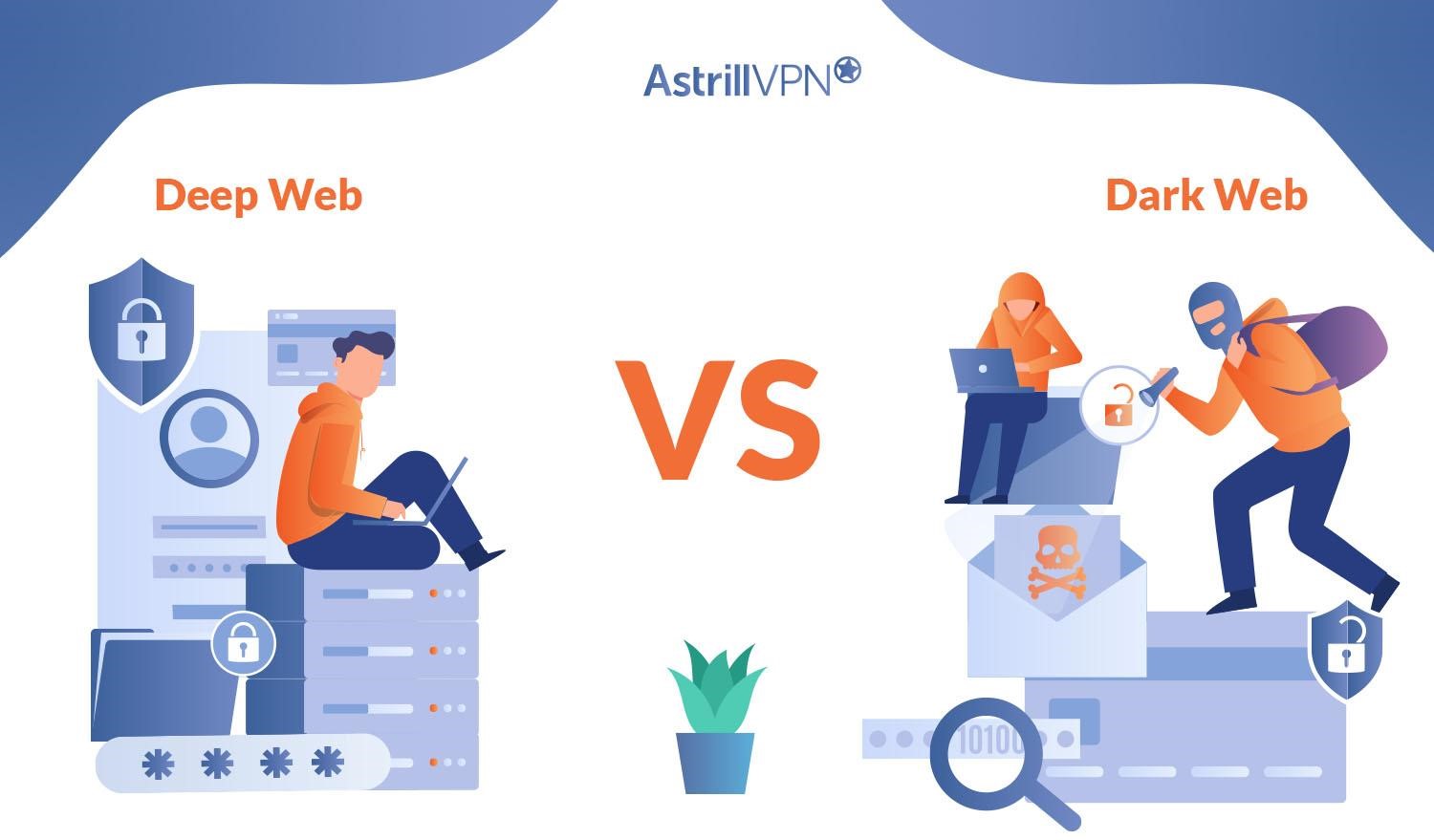
You’ve probably heard whispers of the “deep web” and “dark web” in hushed, ominous tones. There are a lot of myths and misconceptions about what exactly they are and what goes on there. Before you get spooked by the creepy stories, let’s set the record straight. The deep web and dark web aren’t as scary […]
In the digital age, your online security is paramount. Yet, lurking in the shadows of the internet is a threat you may not be aware of: packet sniffing. This powerful technique allows cybercriminals to intercept and analyze data transmitted over a network, potentially exposing your sensitive information. As you navigate the online world, understanding packet […]

Cyberattacks are not merely about preventing the wrong person from getting in. Companies need protection against situations in which an attacker gains access and can take control of the company. A truly resilient organization accepts that some security measures will inevitably fail and therefore prepares to contain the damage, sustain essential functions, restore itself quickly, […]

If you’re surfing the web when suddenly everything slows to a crawl, and Pop-ups bombard your screen with scary warnings that your computer is infected. Well! Could a VPN have stopped this virus attack? We did the digging to find out what does a VPN protect you from. Get ready to separate fact from fiction […]

Somewhere on the internet, someone is copying encrypted files to a very hidden place on the internet. All of the files being copied are currently encrypted and therefore cannot be read by anyone. This activity does not have the same excitement as you watching someone hacking away at a computer. This activity is done slowly […]

For a little while now, AI and Cybersecurity have been topics of conversation. The use of AI-powered chatbots by online scammers to create more sophisticated phishing emails was the first stage in the integration of AI and Cybersecurity. However, things are already moving on from this and complex cyberattacks are being planned, tools are being […]

Small businesses increasingly depend on cloud platforms and APIs for everything from customer management and accounting to collaboration, e-commerce, payments, and internal operations. While cloud services can reduce infrastructure costs and make businesses more agile, they also introduce security risks that attackers can exploit when systems, credentials, APIs, or access policies are poorly protected. APIs […]

Artificial intelligence not only enables more advanced forms of cybercrime but also dramatically increases the speed at which attacks are executed. CrowdStrike’s 2026 Global Threat Report shows that the number of AI-aided attacks has surged by 89% in the year, and the average time to break into eCrime has been reduced to 29 minutes, with […]

If you’ve been faced with identifying a red light among many others, typing a string of distorted letters, or simply clicking to agree that “I’m not a robot,” then you’ve already encountered a CAPTCHA. It uses CAPTCHA technology as one of the best online security features, distinguishing regular human users on the web from bots. […]

Artificial intelligence, or AI, is changing nearly all industries from healthcare and education to finance and customer service. Companies are using AI to reduce operational costs, enhance client satisfaction, and make decisions based on large volumes of data within seconds. However, the same technological advancements also allow cybercriminals to commit more crimes. AI fraud is […]

Hey there, ever had the feeling someone was looking over your shoulder while you entered your password or PIN? That uncomfortable sense of being watched can be a sign your personal information is at risk from shoulder surfing. Shoulder surfing definition is when someone spies on you to steal your data or account access. They […]

Every few months, there’s a new breach in the headlines, and the story is almost always the same. A company got hit, data walked out the door, and somewhere in the aftermath someone asks how this could have been prevented. More often than not, the honest answer is that the organization either didn’t have a […]

Have you ever had trouble accessing a website? Amongst a few possible causes, one reason could be a cyberattack. Hackers are known to have an arsenal of tools to intercept and disrupt communication, and one particular way is by interfering with how an IP transfers information to the end user. IP Fragmentation Attacks aren’t anything […]
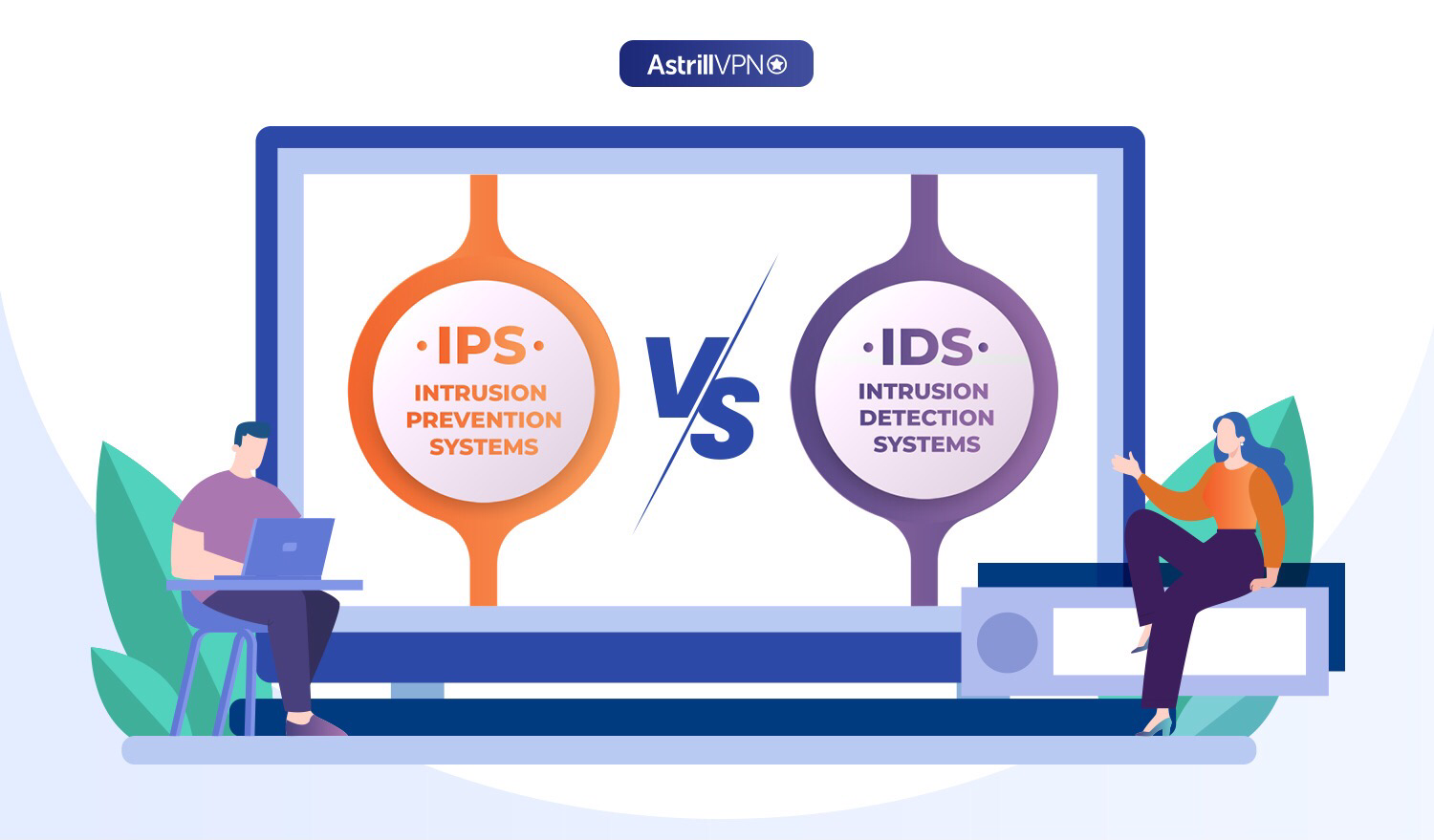
The risks posed by cyberattacks are higher than they’ve ever been. Tools like intrusion detection systems (IDS) and intrusion prevention systems (IPS) that combine signature databases with AI are invaluable for helping IT teams strengthen their security posture against sophisticated cyber threats. Let’s dive into the details and see how these systems work and what […]
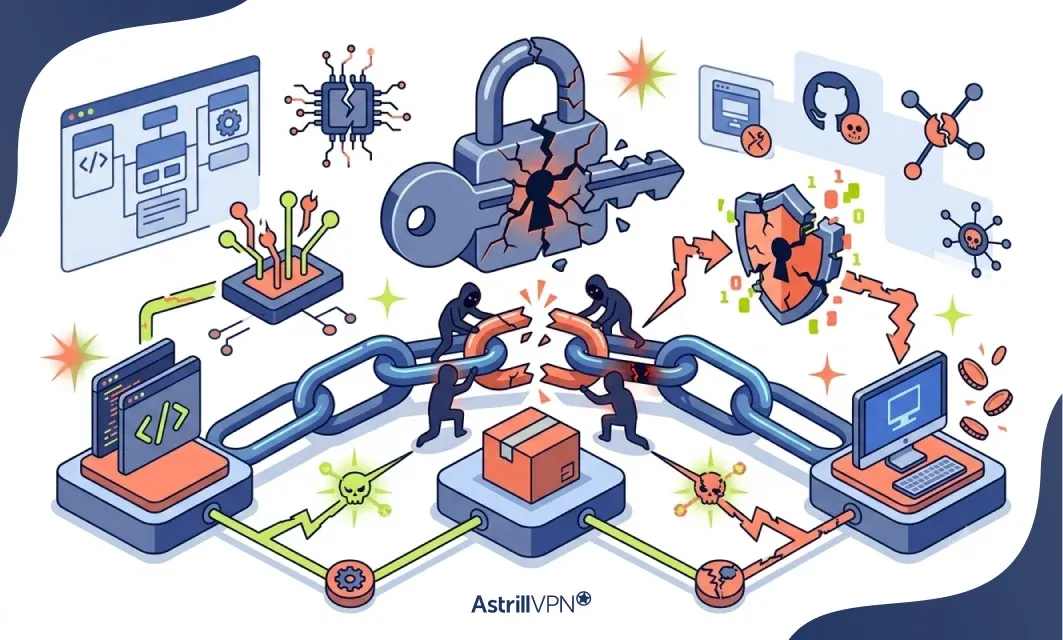
Most organizations spend enormous effort hardening their own systems. Firewalls, endpoint protection, multi-factor authentication, security audits. And yet, some of the most devastating breaches in recent history didn’t come through any of those defenses. They walked right through the front door, disguised as a routine software update or a trusted vendor’s file. That’s the unsettling […]

Picture this. You are sitting in a coffee shop, working through emails on the free Wi-Fi because your mobile data ran out three days ago. A few tables over, someone with a laptop and a bit of free software is quietly watching everything that leaves your device. That is eavesdropping in cyber security in its […]
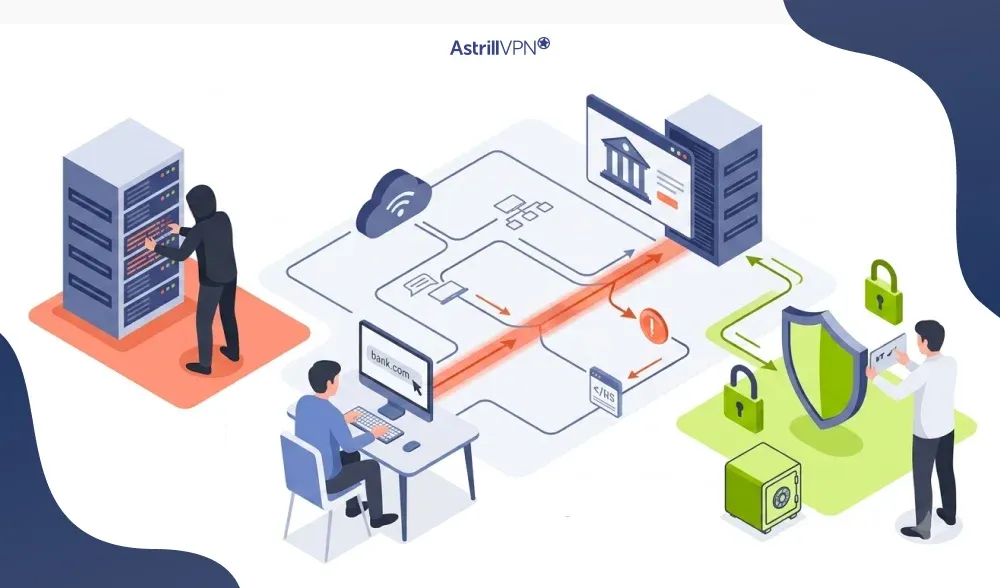
As cyber threats evolve, hackers are moving beyond deceiving users with fake emails and now attacking the systems that control how we access websites. Pharming is one of the most perilous and covert types of cybercrimes. Statistics reveal that vulnerability exploitation and credential attacks combined account for more than 70% of breach entry points, which […]

Search engines are a great way to find information quickly, but sophisticated search methods can reveal much more than ordinary search results. A powerful method is Google dorking, also called Google hacking. Using special search operators, people can find specific documents, web pages, folders, and publicly available information that are not easily found through straightforward […]
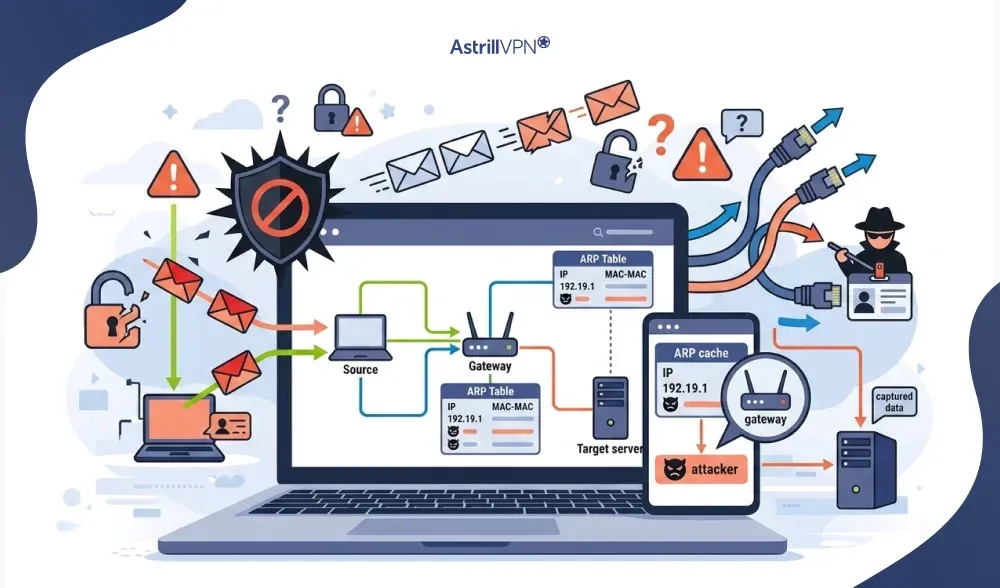
Most people think about network threats in terms of phishing emails, malware downloads, or hacked passwords. But some of the more dangerous attacks happen at a much lower level, right in the plumbing of how devices talk to each other on a local network. ARP spoofing is one such threat. It doesn’t require the attacker […]
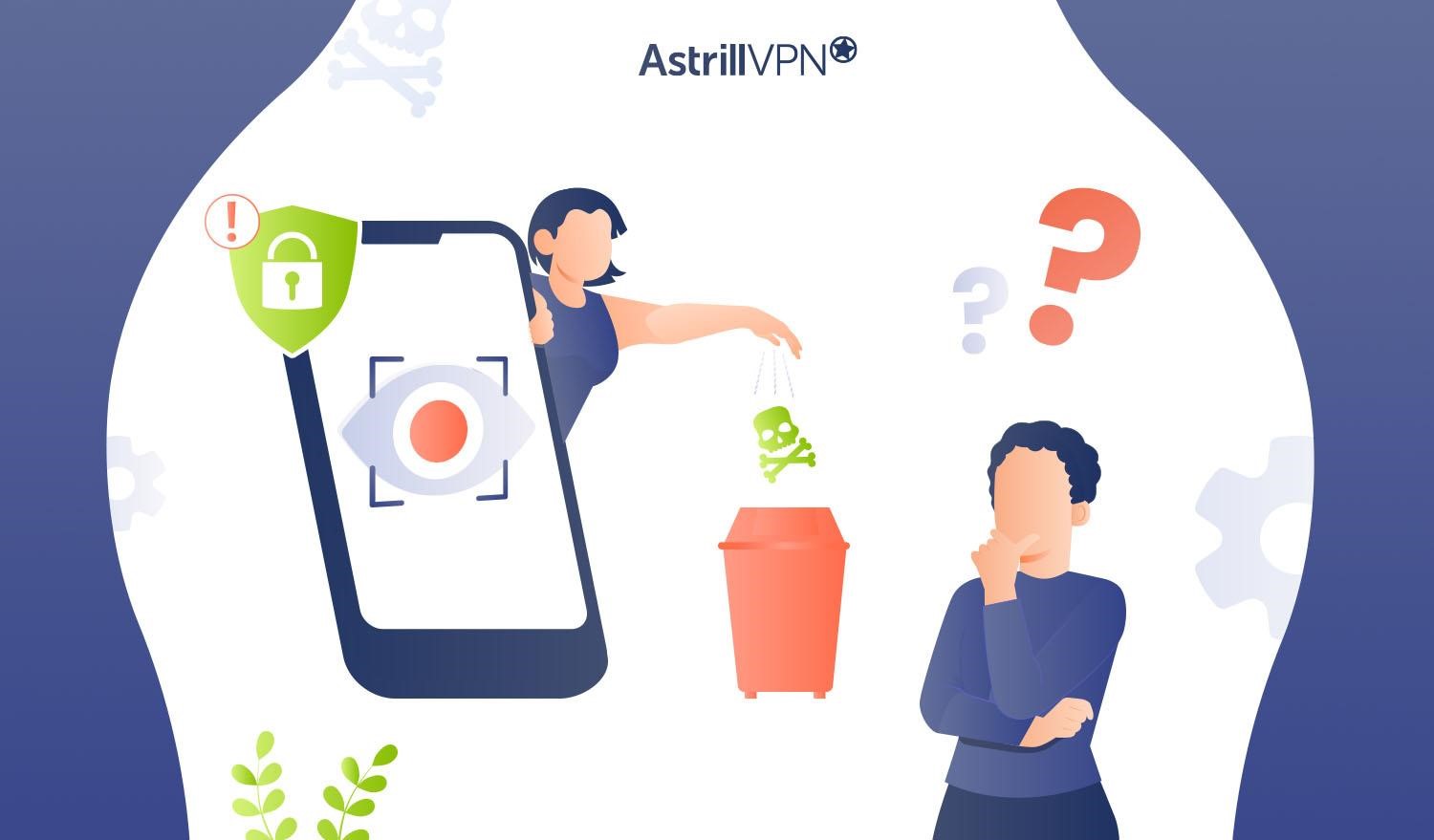
We live in a digital age, where executing cybercrimes and getting away with them has become ten times easier. Cybercriminals are getting smarter with time, always having new tricks up their sleeves to steal sensitive and confidential data of users without the user ever finding out. Stalkerware is no exception, and you need to be […]
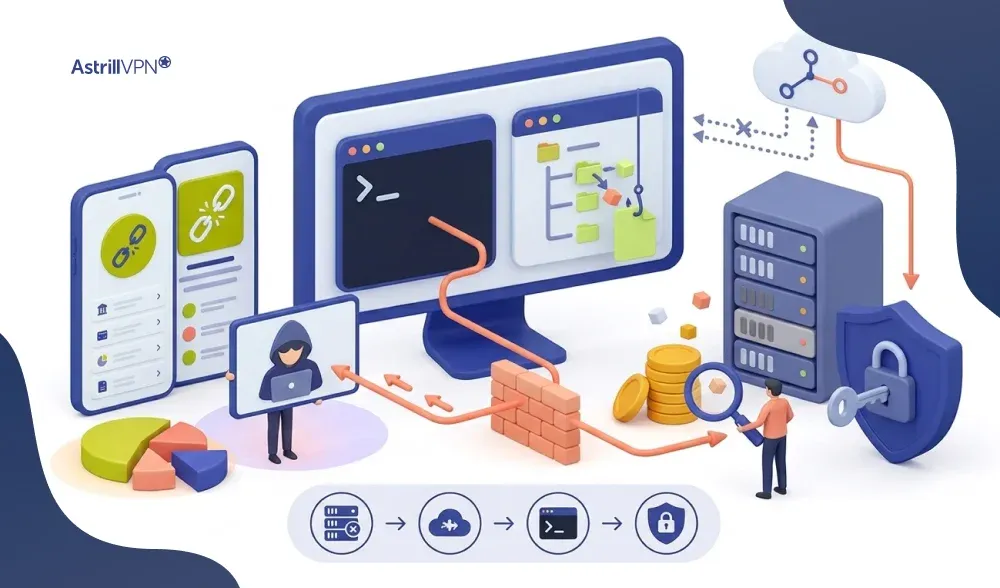
Cyberattacks have become increasingly sophisticated, and attackers often use stealthy techniques to gain unauthorized access to systems. One such technique is the reverse shell. A reverse shell allows a compromised device to initiate a connection back to an attacker-controlled system, giving the attacker remote access and control over the target machine. Forescout analyzed more than […]
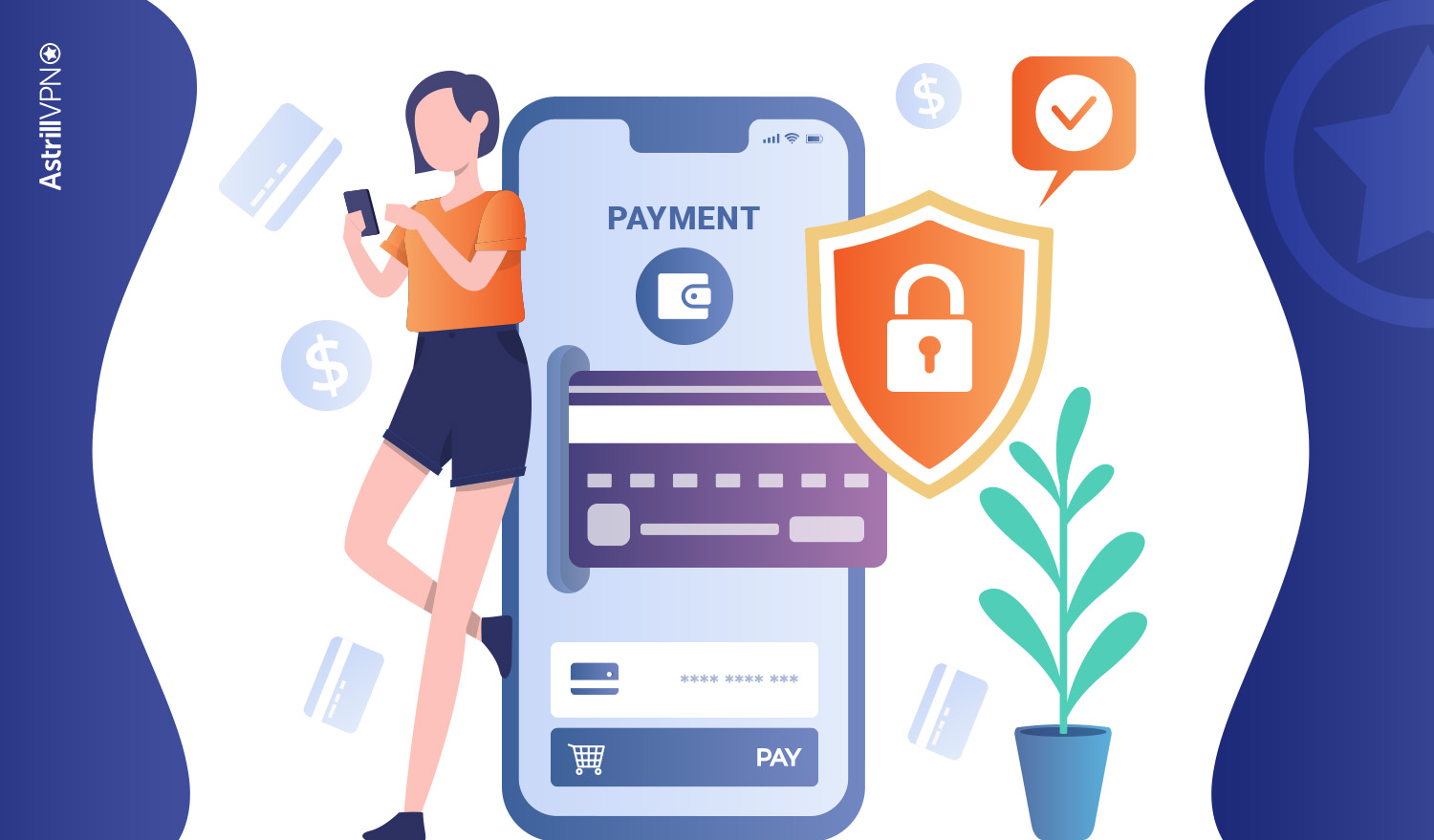
Managing a consumer-based business with easy payment methods is the gateway to offering a smooth user experience. As businesses are shifting to digital and mostly e-commerce or online vendors are taking its place, every organization tries to keep their transactions safe. With the online business demand, the threat of data and financial breaches is also […]

Online shopping has made it easier than ever to have packages delivered to your doorstep. But what happens when you receive an item you never ordered? While it seems harmless at first, it could actually be part of a brushing scam. Brushing scams are most commonly associated with major e-commerce platforms such as Amazon, eBay, […]
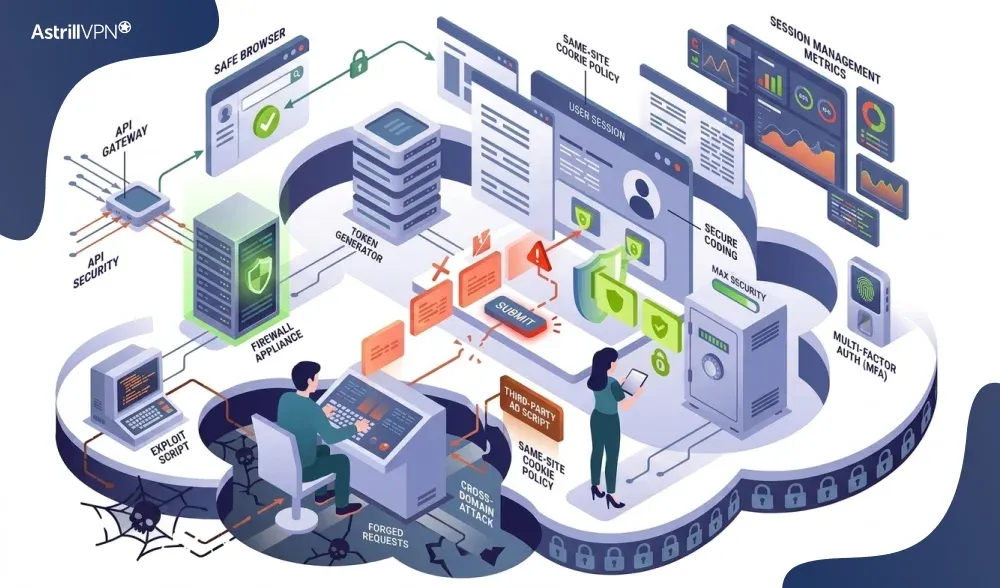
In today’s web-driven world, security threats are constantly evolving, and one of the most overlooked yet dangerous is Cross-Site Request Forgery. Unlike obvious hacking attempts, CSRF quietly exploits a user’s trusted session to perform unauthorized actions without their knowledge. Whether it’s transferring funds, changing account details, and submitting forms, these attacks can have serious consequences. […]

As organizations increasingly rely on cloud services, remote work, and digital identities, cybercriminals are shifting their tactics. Instead of breaking into systems using malicious software, attackers are now targeting user identities like credentials, authentication systems, and access privileges. These threats, known as identity-based attacks, are harder to detect because they often appear as legitimate user […]
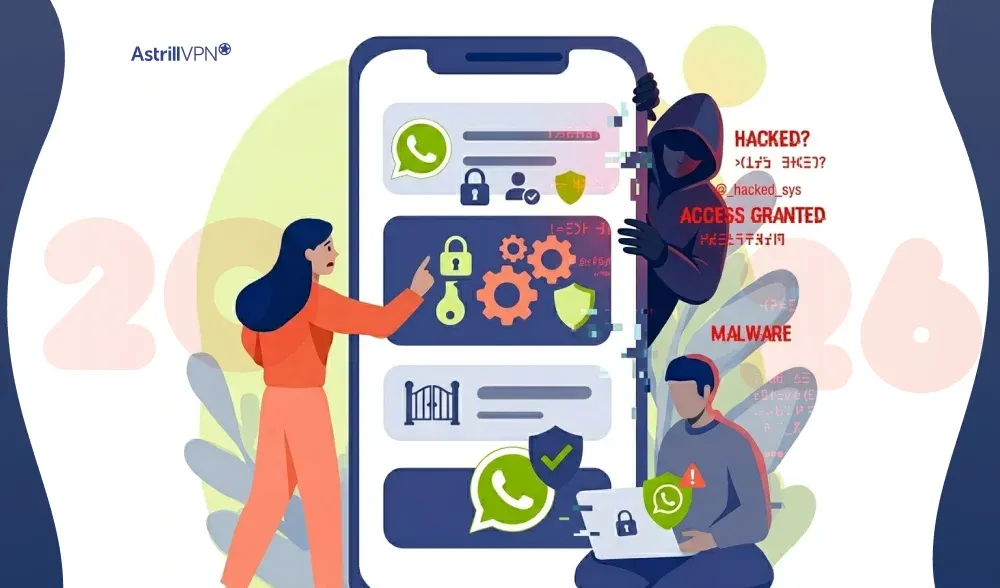
With over 2+ billion users worldwide, WhatsApp is one of the most popular messaging apps, but that also makes it a major target for cybercriminals. While WhatsApp uses strong end-to-end encryption, hacking incidents are still rising due to scams, social engineering, and user mistakes rather than technical flaws. So, can someone hack your WhatsApp? The […]

Text messaging is one of the most common ways people communicate today, but it has also become a major target for cybercriminals. From fake delivery notifications to phishing links, scammers are constantly evolving their tactics. A common concern many people have is: can simply replying to a text message put you at risk? In this […]

As cryptocurrency adoption continues to grow worldwide, so do the risks associated with it. With billions of dollars stored in digital assets, cybercriminals are constantly finding new ways to exploit vulnerabilities in crypto systems. From exchange hacks to phishing scams, the need for strong crypto security has never been more critical. In 2025 alone, crypto-related […]

Every breach begins with a single point of entry. It might be a phishing email that seemed completely legitimate. It could be a password reused across multiple accounts. Or it could be a plugin on a company website that hasn’t been updated in two years. Whatever the cause, attackers find it and exploit it. These […]
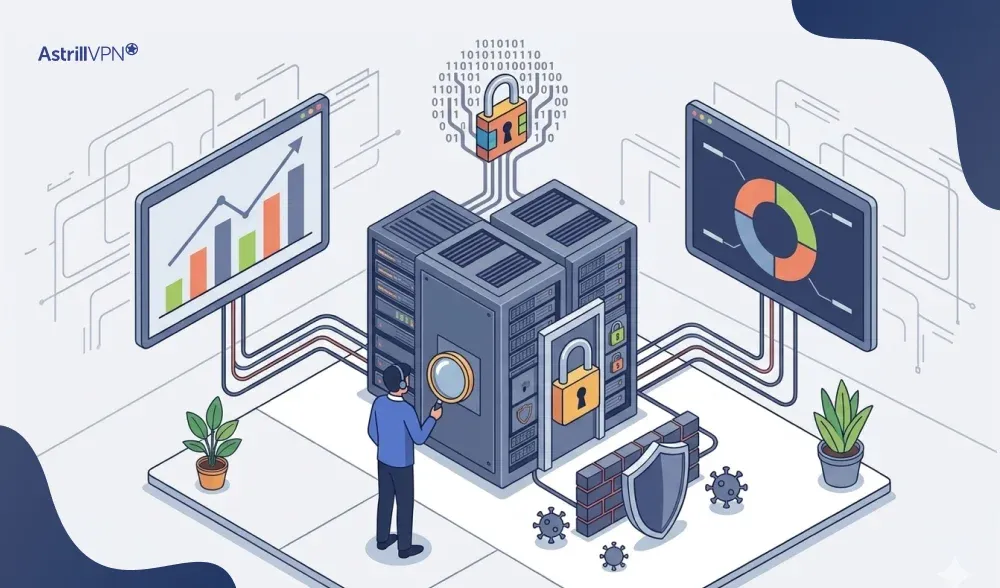
Backdoors are one of the oldest and most persistent threats in cybersecurity. Backdoor attacks are not new, but they are growing. The data is sobering: Mandiant found backdoors in roughly 35% of malware families identified during incident response cases in 2024. Average breach costs involving backdoor access have climbed toward $4.7 million. And the average […]

With the rapid growth of cryptocurrency adoption, security has become a top concern for investors. According to industry reports, over $3 billion in crypto was stolen through hacks and scams in 2022 alone, underscoring the importance of secure storage solutions. This is where hardware wallets come in. A hardware wallet is considered one of the […]
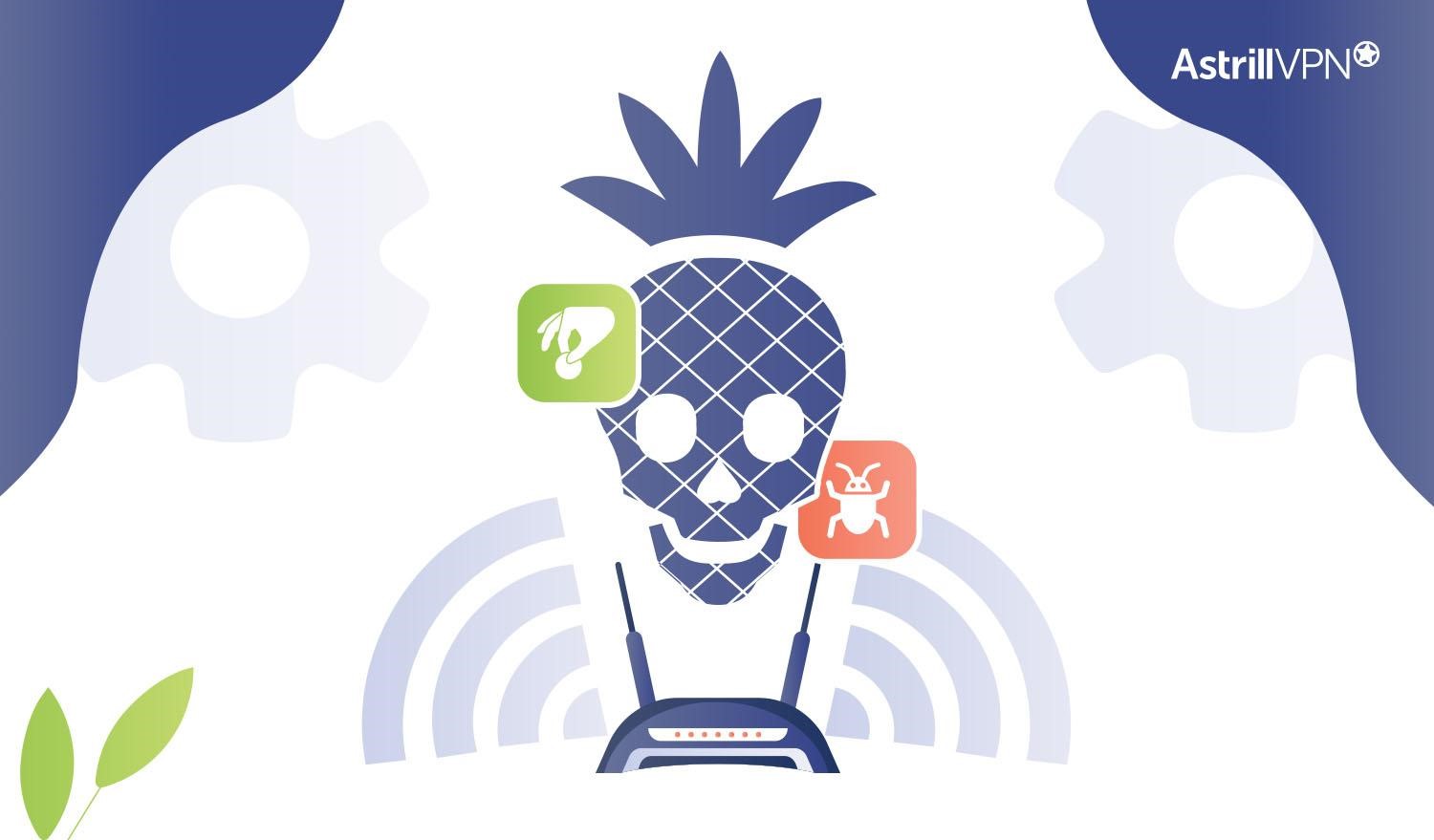
HAK5 developed the Wi-Fi Pineapple, which is a private company. Now you may be wondering, how do fruit and WiFi go hand in hand? Well, there’s a story behind its name. The WiFi Pineapple gets its name from its appearance. It’s a small, black device with multiple antennas at the top that stem outwards in […]
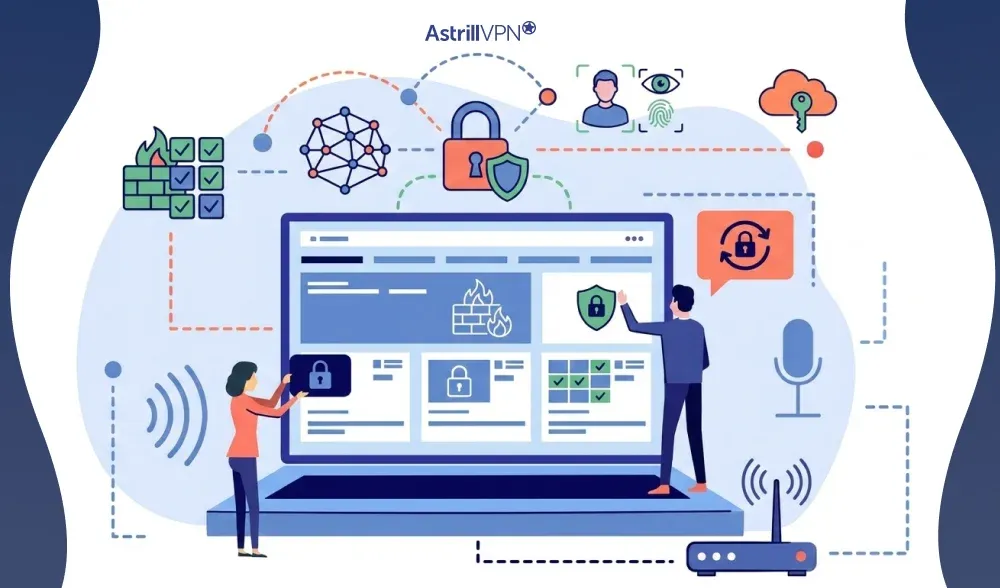
Home computers have become the control center of our digital lives: banking, shopping, work, education, and even smart home controls all run through them. That convenience also makes personal devices a prime target for cybercriminals. From silent spyware to aggressive ransomware, threats today are smarter, faster, and often invisible. You don’t need to be a […]

Shein has gained a massive global following with its trendy and affordable apparel. However, concerns about data security, product quality, and ethical practices have led many people to question the safety of shopping on this platform. In this comprehensive guide, we will explore Shein’s security measures, past data breaches, and steps you can take to […]

As virtual meetings, online classes, and remote collaboration become the norm, video-conferencing platforms like Zoom have become essential tools for work, education, and social interaction. However, this rapid shift to digital communication has also opened the door to new forms of online abuse. One of the most disruptive and widely reported threats is Zoom bombing, […]

A script kiddie hacker is someone who performs hacking activities using tools, exploit kits, or automated attack software created by others. Instead of discovering vulnerabilities or building their own attack methods, they rely on publicly available scripts to scan targets, attempt logins, exploit known weaknesses, or disrupt services. The difference between a generic script kiddie […]

Cyber threats are evolving faster than ever, and one of the most challenging forms of malware security teams face today is polymorphic malware. Unlike traditional malware that uses a fixed code structure, polymorphic malware continuously changes its appearance, making detection extremely difficult. This ability to mutate allows it to bypass signature-based antivirus tools and remain […]
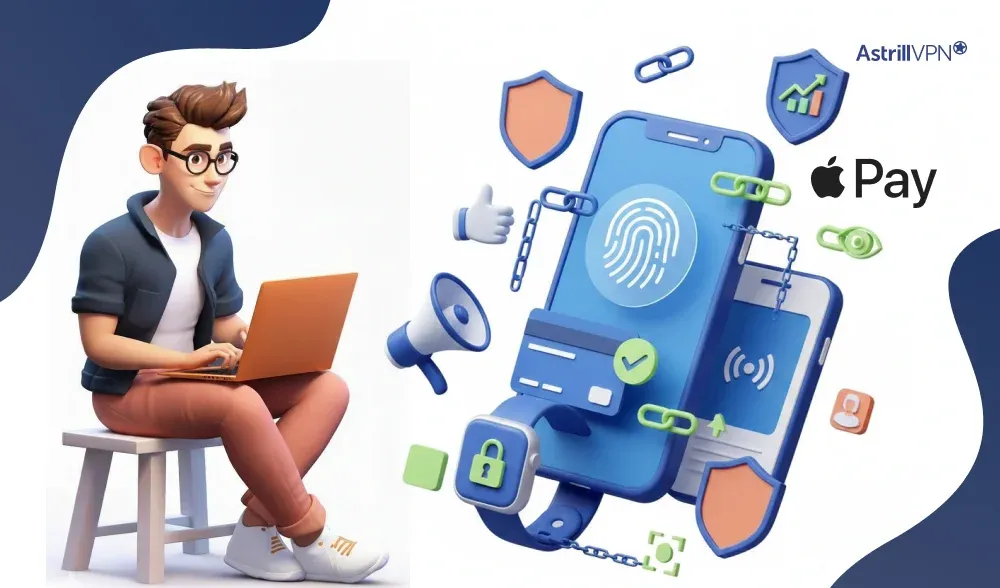
Digital payments are everywhere, from buying coffee to shopping online, and Apple Pay has become one of the most popular options. But with rising cybercrime, scams, and data breaches, a common question keeps popping up: Is Apple Pay safe? The short answer is yes, Apple Pay is considered one of the most secure payment methods […]
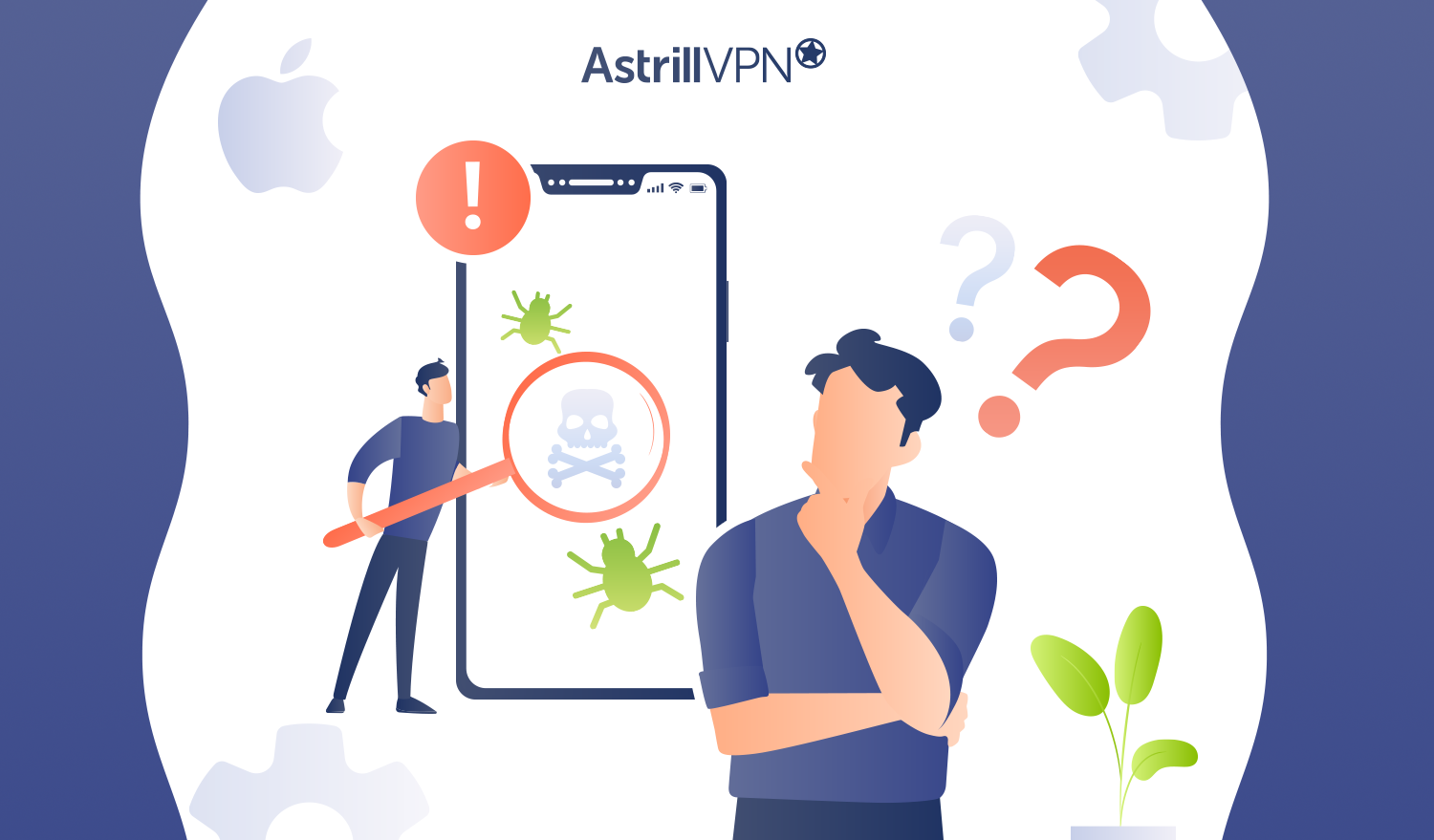
iPhones have a pretty solid security setup, which is why it’s not super common to see major malware issues like you might on other devices. But that doesn’t mean it can’t happen. Stuff like targeted spyware, dodgy configuration profiles, phishing scams, and unsafe downloads can still put your iPhone at risk if the right conditions […]

Social media has become an integral part of our daily lives, serving as a platform for our hobbies, entertainment, and even career growth as influencers. But bеwarе! The drеadful Instagram IP ban can dеstroy it all. No account accеss, zеro activity, and your businеss scrееchеs to a halt. But don’t panic, my friеnd! Wе’vе got […]

As artificial intelligence systems, huge language models (LLMs), become deeply integrated into applications, chatbots, and enterprise workflows, new security threats are emerging alongside their rapid adoption. One of the most concerning and least understood of these threats is prompt injection. Unlike traditional cyberattacks that target code or infrastructure, prompt injection attacks exploit how AI models […]

Instagram has introduced Vanish Mode to address privacy concerns among social media users. This feature gives individuals greater control over their messaging by enabling temporary, disappearing chats that mirror the ephemeral nature of in-person conversations. This guide will delve into the functionality and purpose of Instagram’s Vanish Mode, answering frequently asked questions about this privacy-oriented […]
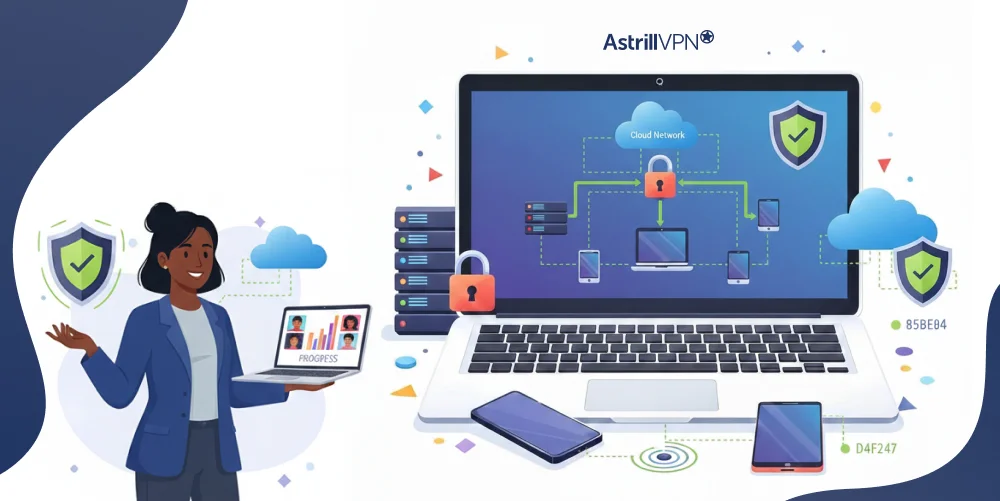
Remote access is now essential to how businesses operate. From remote employees and traveling teams to cloud administrators and external partners, organizations rely on secure remote connections every day. But every remote connection also introduces risk. If it is not adequately protected, it can become a direct entry point for attackers. Remote access security focuses […]
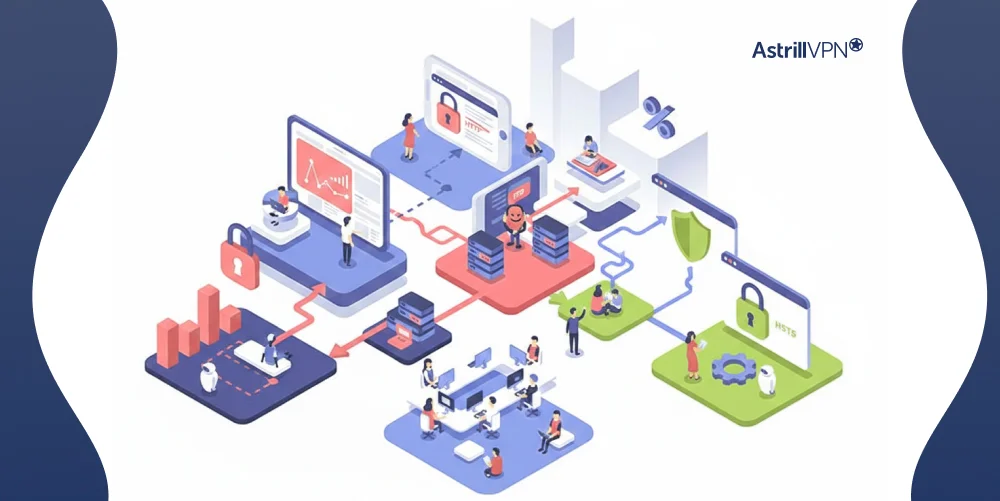
As internet users increasingly depend on secure websites for activities such as banking, shopping, and communication, encrypted connections have become essential to cybersecurity. The Secure Sockets Layer (SSL), known as Transport Layer Security (TLS), is crucial for protecting sensitive data as it travels between users and websites. Attackers have developed methods to bypass this protection […]

In an age of digital transformation, Operational Technology (OT) systems, once isolated and safe from outside threats, are increasingly connected to modern networks for efficiency, analytics, and automation. This connectivity, while beneficial, has radically shifted the cybersecurity landscape for industrial environments. Today’s OT infrastructure is a prime target for sophisticated threat actors, and organizations bear […]

Every time you open a website, send a message, or log in to an account, your data travels across multiple networks before reaching its destination. Most of the time, that journey is invisible and secure. But when an attacker quietly inserts themselves into that path, the risks change fast. On-path attacks are one of the […]
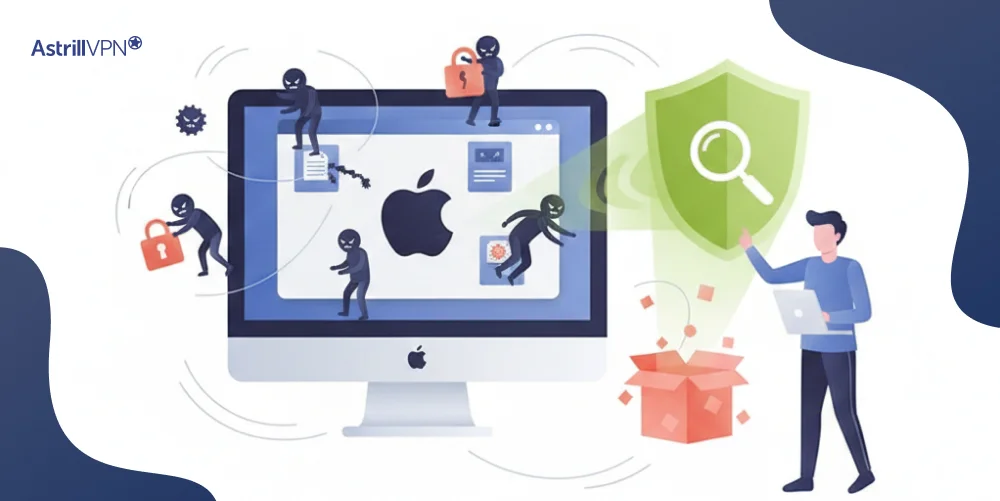
Mac systems include built-in security protections, but they are not immune to malware. Threats targeting macOS have increased steadily, with attackers distributing adware, spyware, credential stealers, and remote access tools designed specifically for Apple devices. These threats often operate quietly, making detection difficult without deliberate checks. Knowing how to check for malware on Mac is […]

Cyberattacks today rarely rely on a single weakness. Modern breaches usually unfold in stages. An attacker phishes a user, escalates privileges, moves laterally, and quietly extracts data. This is precisely why single-layer security no longer works. Defense in depth is built on a simple but powerful idea: no single control should ever be trusted to […]