




How Astrill’s StealthVPN Protocol Bypasses Deep Packet Inspection in Restrictive Markets

Log onto the internet from most places in the world and you don’t think twice about opening YouTube, checking Instagram, or logging into your bank. Try doing that from an apartment in Tehran or a dorm room in Beijing, and the experience looks nothing alike. Governments in these regions have spent years and serious budgets building systems that don’t just block specific websites. They actively hunt down the tools people use to get around those blocks, and VPN traffic is the target number one.
That hunting system is called deep packet inspection, and it’s the reason many VPNs quietly stop working right when someone needs them most. Astrill built StealthVPN to survive exactly that kind of environment. It isn’t an older protocol with a fresh coat of paint. It was engineered from the ground up to slip past the specific detection methods that trip up standard VPN connections, and that’s what we’re breaking down here.
Table of Contents
What Is Deep Packet Inspection (DPI)
Deep packet inspection is a method of examining data as it travels across a network, going well beyond the basic “where is this headed” check that older firewalls relied on. Instead of just glancing at an IP address, DPI systems open up the packet itself and look at its structure, its headers, even the timing and rhythm of the data flow. It’s a bit like a security guard who used to check your ID at the door and now insists on going through your bag, item by item, every single time.
How Governments Use DPI to Detect and Block VPN Traffic
Censorship-heavy countries deploy DPI at the ISP level, scanning traffic in real time rather than relying on static lists of blocked IP addresses. This lets them adapt fast. A few patterns they typically hunt for include:
- Known handshake signatures used by common VPN protocols
- Repetitive packet sizes and timing patterns that don’t match normal browsing
- Traffic heading to known VPN server IP ranges
- Unusual encryption headers that don’t resemble standard HTTPS
Once flagged, the connection can be throttled, reset, or blocked outright, often within seconds.
Why Standard Protocols (OpenVPN, IPSec) Get Flagged
OpenVPN and IPSec are excellent protocols in open environments, but they were never designed with censorship in mind. Their handshakes follow a predictable structure, their default ports are well documented, and their packet headers carry telltale signatures. A DPI system doesn’t need to crack the encryption to catch them. It just needs to recognize the shape of the conversation, and that shape rarely changes from one connection to the next.
What Is StealthVPN
Astrill’s Proprietary Protocol Explained
StealthVPN is a protocol Astrill built in-house, drawing inspiration from OpenVPN while adding a layer of obfuscation that changes how the traffic appears to anyone monitoring the line. The result is a connection that automated firewalls struggle to distinguish from ordinary internet activity. It runs over both TCP and UDP, giving it flexibility depending on the network it’s operating on, and it holds up well even over connections that are already unstable or heavily throttled.
Core Security Standards
Underneath the obfuscation, StealthVPN still relies on serious cryptography. Astrill secures the tunnel with AES-256 encryption, the same standard trusted by banks and government agencies, and pairs it with certificate based authentication so the handshake itself can’t be spoofed or hijacked. Security and stealth aren’t treated as separate goals here. They’re built into the same protocol at the same time.
How StealthVPN Evades DPI Detection
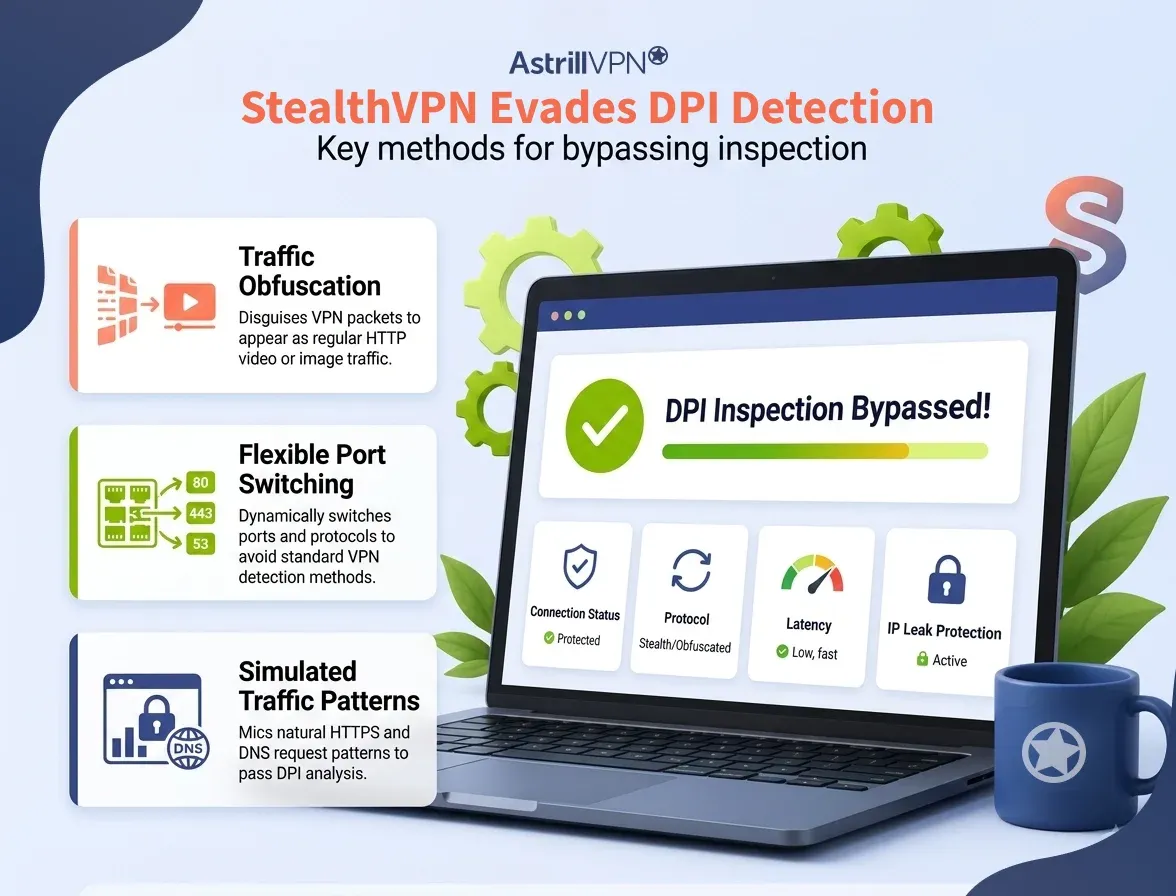
Traffic Obfuscation and Disguising VPN Packets as Regular Traffic
The core trick behind StealthVPN is disguise. Rather than sending packets that carry an obvious VPN fingerprint, it wraps that traffic so it resembles everyday web activity. A DPI system scanning the line sees data that looks routine, not a flagged pattern worth reacting to. This is the difference between a locked door with a sign on it and a door that simply blends into the wall.
Flexible Port and Protocol Switching
StealthVPN isn’t locked into one port or one transport method. It can run over TCP or UDP and switch across a wide range of custom ports, including the standard 1 to 65535 range used across the internet, rather than sticking to the handful of ports typically associated with VPN traffic. When a censor blocks one path, the protocol has room to move to another, which makes wholesale blocking a much harder problem for them to solve.
Simulating HTTPS/DNS Traffic Patterns
Beyond just changing ports, StealthVPN shapes its traffic to resemble the encrypted patterns of everyday HTTPS browsing and DNS lookups, the kind of activity every device on the internet generates constantly. Since blocking all HTTPS traffic would break the internet for everyone, including the government’s own systems, this kind of camouflage is remarkably effective at slipping through unnoticed.
Reliability Features That Support Uninterrupted Access
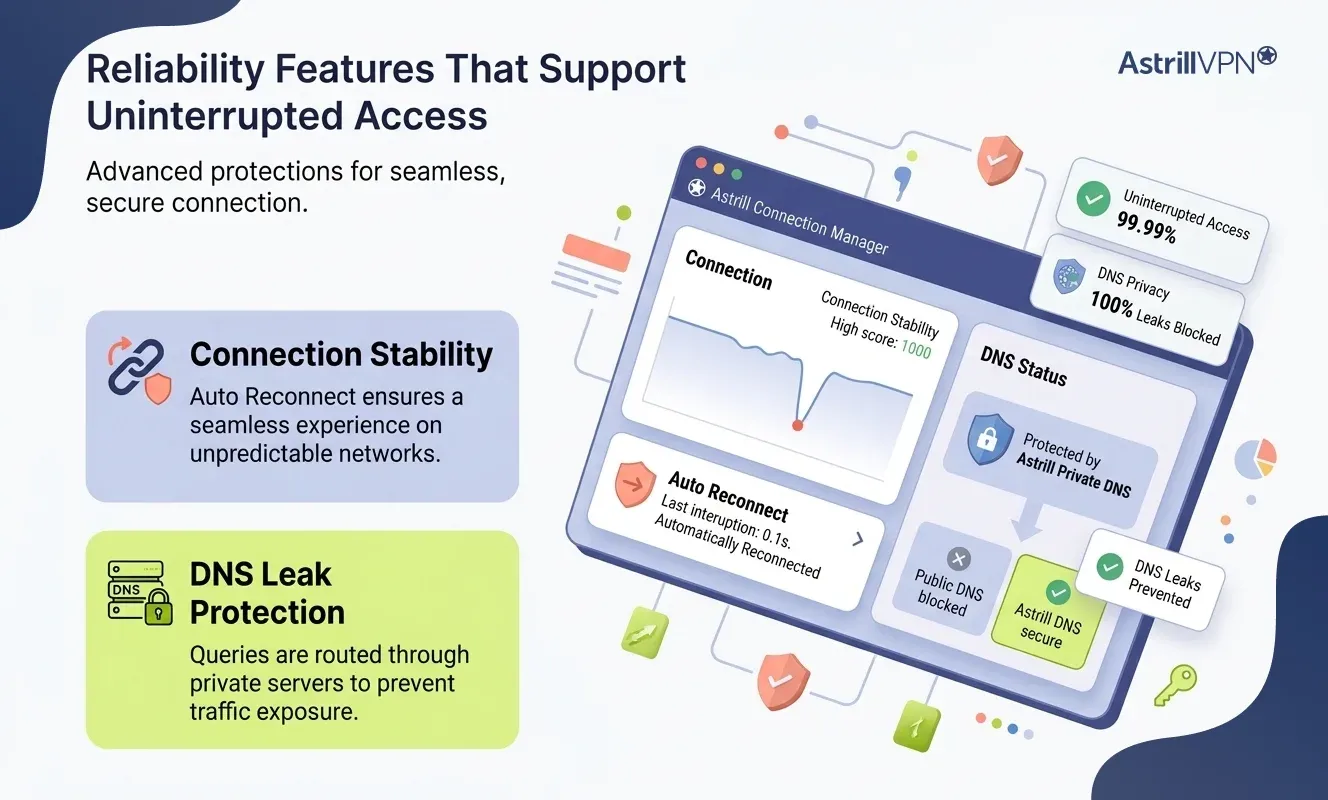
Auto Reconnect and Connection Stability
Censored networks are rarely smooth. Connections drop, throttle, or get reset without warning, and that unpredictability is part of the point for the systems doing the blocking. StealthVPN is built to reconnect automatically the moment a session gets interrupted, so a dropped connection turns into a brief hiccup instead of a dead end that leaves a device exposed.
DNS Leak Protection with Astrill’s Own DNS Servers
DNS requests are one of the easiest ways for a connection to accidentally reveal what someone is doing online, even while the rest of their traffic stays encrypted. Astrill routes DNS queries through its own private servers rather than the ones assigned by a local ISP, closing off a leak point that a lot of VPNs simply overlook.
StealthVPN in Action: Restrictive Markets Around the World
China and the Great Firewall
China runs one of the most aggressive DPI systems on the planet, actively probing connections and blacklisting VPN server IPs almost as fast as they appear. StealthVPN’s obfuscation, combined with Astrill’s practice of rotating server IPs frequently, gives users a fighting chance where standard OpenVPN or IPSec connections usually get shut down within minutes.
Middle East (UAE, Iran)
In the UAE, VPN use sits in a legally gray area tied closely to how it’s used, while Iran restricts access to entire categories of foreign platforms outright. Both countries lean on DPI to enforce those restrictions, and StealthVPN’s ability to mimic normal HTTPS traffic makes it far less likely to trigger the automated systems watching for anything unusual.
Russia and Other Emerging Censorship Regimes
Russia has steadily expanded its own DPI infrastructure in recent years, targeting VPN protocols specifically as part of a broader push to control what its citizens can access online. Smaller regimes have started copying that playbook, which means the kind of obfuscation StealthVPN offers is becoming relevant in more places, not fewer.
Common Patterns Across These Markets
Despite their differences, these markets share a few consistent traits worth noting:
- Real time DPI scanning rather than static blocklists alone
- Aggressive targeting of well known VPN protocol signatures
- Frequent updates to blocking systems, requiring VPNs to keep adapting
- Heavier reliance on obfuscated or disguised traffic to stay accessible
StealthVPN vs. Standard VPN ProtocolsComparison Table
| Protocol | Detection Risk | Speed | Reliability | Best Use Case |
| StealthVPN | Very low, traffic is obfuscated to resemble regular browsing | Good, slight overhead from obfuscation | High, built for unstable censored networks | China, Iran, UAE, and other DPI heavy regions |
| OpenVPN | High, distinct handshake is easy to fingerprint | Moderate | Solid on open networks | Everyday use in unrestricted countries |
| IPSec/IKEv2 | High, recognizable ports and packet structure | Fast | Good on mobile, weaker under censorship | Mobile devices switching networks |
| WireGuard | Moderate, lightweight but not built for obfuscation | Very fast | Strong on open networks | Speed focused browsing and streaming |
How to Set Up and Use StealthVPN
Follow these steps to get started:
- Download and install the official Astrill VPN app for your device.
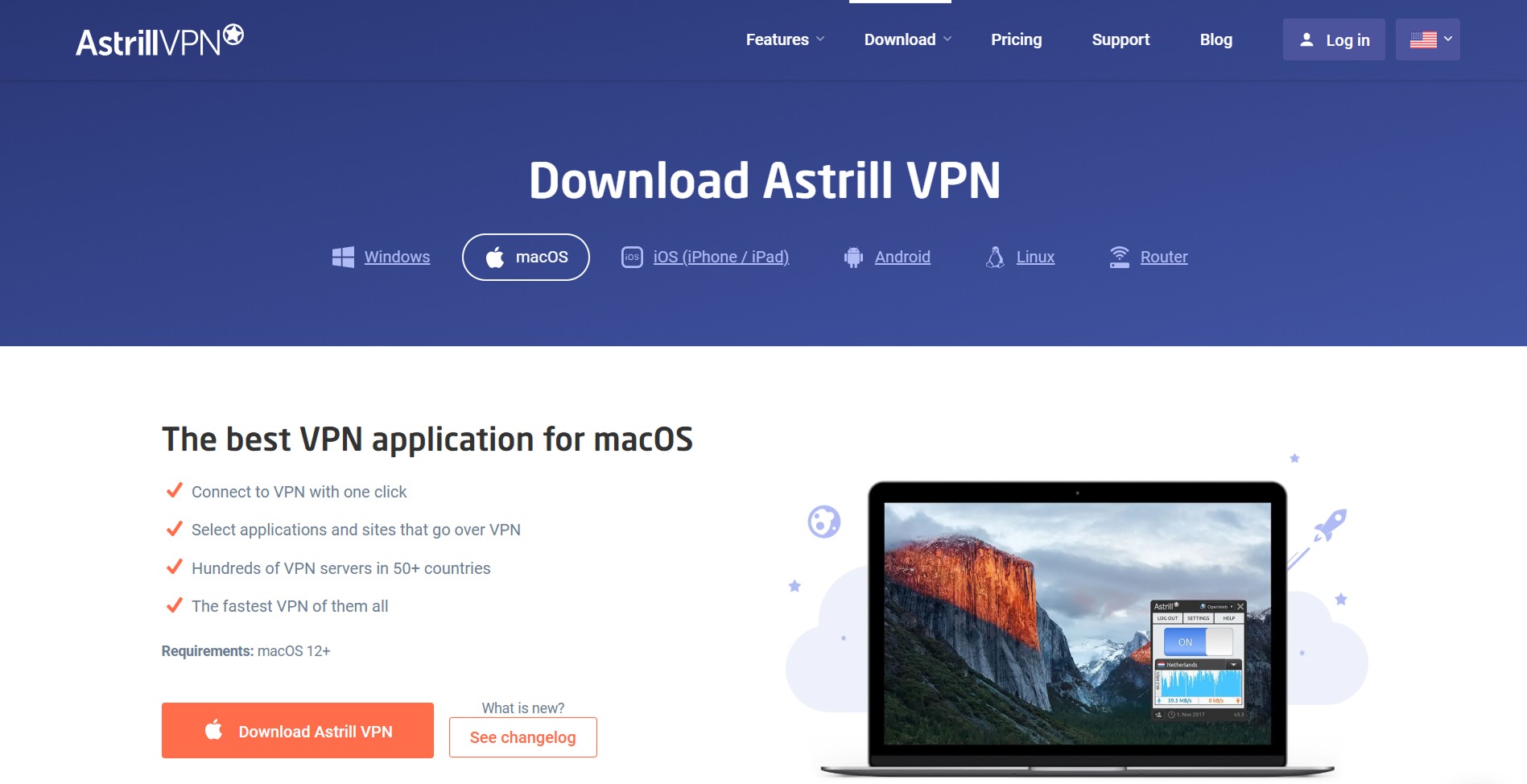
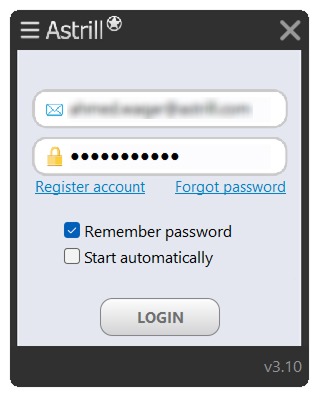
- Log in with your Astrill account credentials.
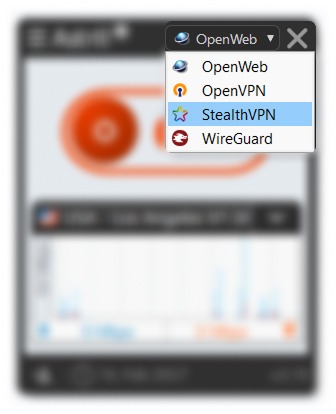
- Click / tap the protocol drop down list and select StealthVPN from the list.
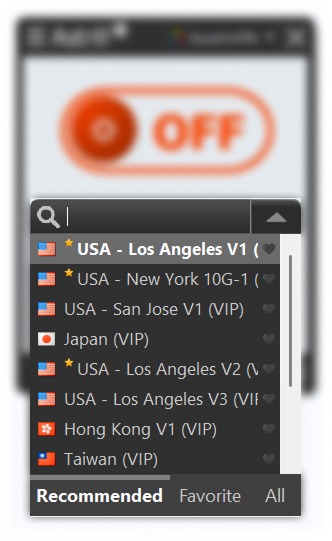
- Choose a server location, ideally one close to your physical region for better speed.
- Connect, and give it a few seconds to establish the obfuscated tunnel.

Who Should Use StealthVPN
Users in Censored Regions
Anyone living under a government that actively restricts internet access needs more than basic encryption. They need a protocol that won’t get flagged the moment it’s used, and that’s exactly the gap StealthVPN was built to close.
Travelers, Journalists, and Remote Workers Abroad
People crossing into restrictive countries for work or reporting face the same DPI systems as local residents, often without realizing it until a connection suddenly refuses to cooperate. This extends to everyday digital life too. Someone browsing secondhand listings on Depop while traveling through a country with heavy surveillance benefits from the same obfuscated tunnel, since it keeps payment details, account logins, and browsing activity shielded from networks that weren’t built with anyone’s privacy in mind.
Conclusion
Deep packet inspection has turned VPN blocking into a real-time, adaptive process, and that shift has left a lot of older protocols struggling to keep up. StealthVPN was built specifically to answer that challenge, disguising traffic, switching ports on the fly, and holding a stable connection in some of the most heavily monitored networks on earth. If privacy and reliable access matter to you, especially when traveling or living in a place with tight restrictions, it’s worth giving Astrill VPN and its StealthVPN protocol a real try.
FAQs
Deep packet inspection examines the structure and patterns of data traveling across a network, not just its destination. It flags VPN traffic by recognizing handshake signatures, packet timing, and encryption headers that don’t match normal browsing.
OpenVPN and IPSec use recognizable handshakes and standard ports, which makes them easy for DPI systems to fingerprint. StealthVPN adds an obfuscation layer on top of a similar foundation, disguising the traffic so it doesn’t carry those same telltale signatures.
Yes. StealthVPN was built with exactly these environments in mind, and it’s commonly recommended for use in China alongside frequent server IP rotation to stay ahead of blocking efforts.
There’s a small amount of overhead from the extra obfuscation layer, but it’s generally minor. Most users find the speed difference barely noticeable compared to the reliability they gain in restricted networks.
StealthVPN is only available through the official Astrill VPN app, so you’ll need that installed rather than a generic third party VPN client.
StealthVPN uses AES-256 encryption with certificate based authentication, the same encryption standard used across the security industry. As with any proprietary protocol, it’s worth checking Astrill’s latest published documentation for the most current details on independent audits.

Secure your privacy instantly. Try AstrillVPN with zero risk.
About The Author










No comments were posted yet