




Brushing Scams: How They Work, and Whether They’re Dangerous?

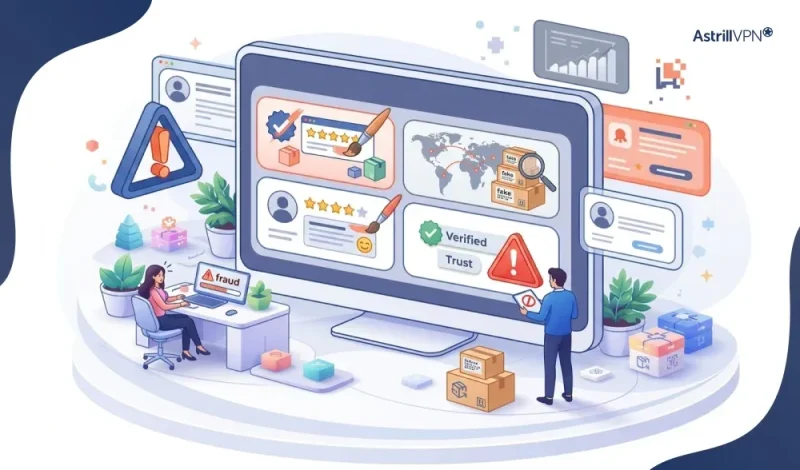
Online shopping has made it easier than ever to have packages delivered to your doorstep. But what happens when you receive an item you never ordered? While it seems harmless at first, it could actually be part of a brushing scam. Brushing scams are most commonly associated with major e-commerce platforms such as Amazon, eBay, Temu, and AliExpress.
These scams have become increasingly common on e-commerce platforms, especially Amazon, and many people are unaware of the risks involved. The Better Business Bureau (BBB) has warned that brushing scams have been appearing “nationwide,” with victims receiving random low-cost items such as face masks, flashlights, seeds, and electronic accessories. In this blog, we’ll explain what a brushing scam is, how brushing scams work, whether brushing scams are dangerous, and what to do if you receive unexpected packages.
Table of Contents
What Is a Brushing Scam?
A brushing scam is a fraudulent scheme in which sellers send unsolicited packages to random people using their real names and addresses. The recipient never ordered the item, but a package suddenly appears at their home.
The main goal of the scam is not to steal money directly from the recipient. Instead, scammers use the fake delivery to create false “verified purchase” reviews on online marketplaces. Since the item was technically shipped to a legitimate address, the seller can post fake positive reviews to boost product ratings and improve sales rankings. Brushing scams are commonly associated with large online marketplaces such as Amazon, which is why many people refer to them as the Amazon brushing scam.
What Is a Brushing Scam on Amazon?
An Amazon brushing scam occurs when third-party sellers on Amazon send low-cost products to people who never placed an order. After the shipment is marked as delivered, the scammer uses fake customer accounts to post positive reviews for the product.
These fake reviews make products appear more trustworthy and popular, helping sellers manipulate Amazon’s ranking algorithms. The products involved are usually inexpensive items such as phone accessories, jewelry, kitchen gadgets, and beauty products. Although Amazon actively removes fake reviews and suspicious sellers, scams still occur because scammers constantly create new accounts and develop new tactics.
How Do Brushing Scams Work?
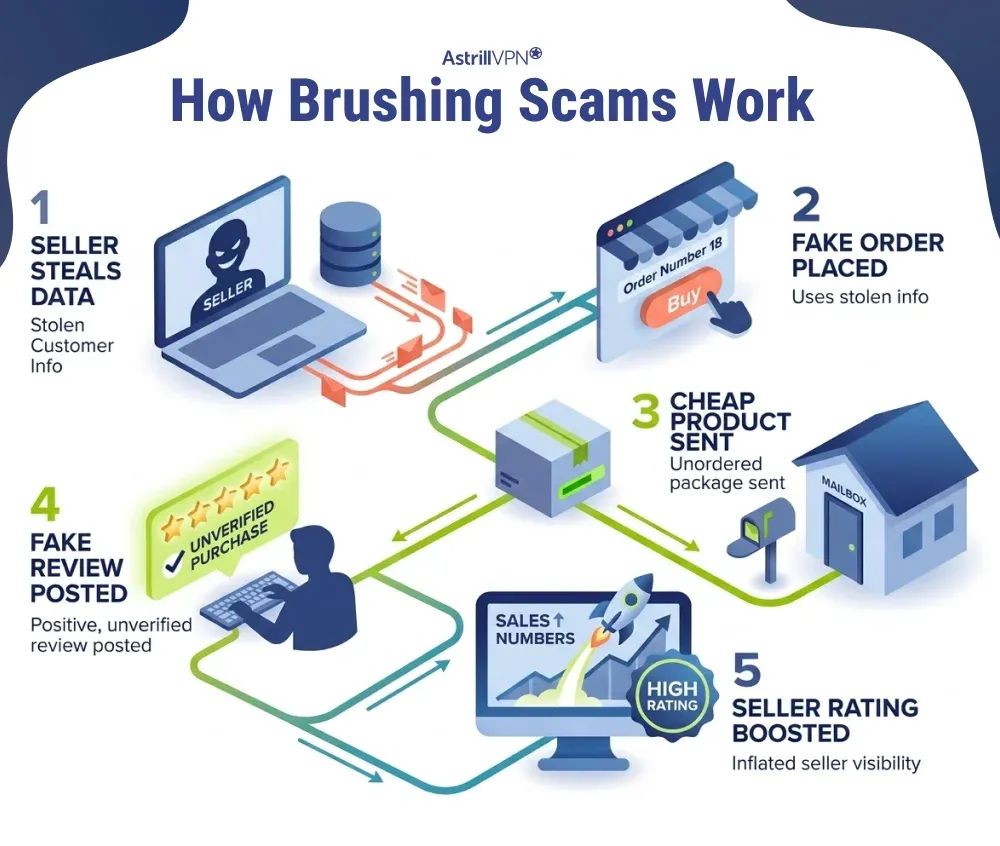
Brushing scams usually follow a simple process:
- The scammer obtains a person’s name and mailing address from leaked databases, publicly available information, social media, and previous data breaches.
- The scammer creates fake customer accounts on an online marketplace and places orders for their own products using the victim’s shipping address.
- Low-value products are mailed to the recipient. Sometimes the package contains completely useless items, including empty envelopes.
- Once the package is marked as delivered, the seller posts fake “verified purchase” reviews under the fake account to improve product credibility.
- The fake reviews increase visibility and sales rankings, helping the scammer attract real customers.
Are Brushing Scams Dangerous?
Many people wonder whether brushing scams are dangerous. In most cases, these scams are more deceptive than directly harmful, but they should still be taken seriously.
Limited Immediate Risk
Receiving an unexpected package does not necessarily mean that your bank account and online shopping account have been hacked. In many cases, scammers only have your name and address.
Potential Privacy Concerns
A brushing scam may indicate that your personal information is circulating online and was exposed in a data breach. Even if the scam itself is harmless, it can signal broader privacy issues.
Possible Identity Theft Risks
In some situations, scammers may possess more personal information than just your address. If combined with other stolen data, this information could contribute to identity theft and phishing attempts.
Increased Scam Targeting
Once scammers know an address is active, they may target the recipient with additional scams, phishing emails, fake customer support calls, and fraudulent deliveries.
Signs You May Be a Victim of a Brushing Scam
If any of these happen, it’s important to monitor your online accounts and personal information. Here are some common signs of a brushing scam:
- You receive packages you never ordered
- The sender’s information looks suspicious
- The package contains low-cost and random items
- You notice fake reviews linked to your name and email
- Delivery notifications appear for orders you didn’t make
What Should You Do If You Receive a Brushing Scam Package?
Receiving a package you never ordered can be confusing and concerning. While brushing scams are usually intended to manipulate online reviews rather than directly steal money, they can still expose privacy risks and indicate that your personal information is circulating online. Taking the right steps can help protect your accounts and personal data.
Stay Calm and Assess the Situation
The first thing you should do is remain calm. Receiving an unexpected package does not automatically mean that your bank account and online shopping account have been hacked. In many brushing scam cases, scammers only have access to your name and address. Carefully check the package details, sender information, and shipping labels to see whether the shipment appears suspicious.
Check Your Online Shopping Accounts
Log in to your Amazon account and any other online shopping platforms you use to verify that no unauthorized purchases have been made. Review your order history, payment methods, saved addresses, and account settings for any unusual activity. If you notice unfamiliar orders and account changes, secure your account immediately.
Change Your Passwords
If there are no signs of unauthorized purchases, it is still a good idea to update your passwords. Use strong, unique passwords for your shopping, email, and banking accounts. Enabling two-factor authentication adds another layer of protection and helps prevent unauthorized access.
Monitor Your Financial Statements
Review your bank and credit card statements regularly after receiving a suspicious package. Although brushing scams usually do not involve direct financial theft, monitoring your accounts can help you quickly spot fraudulent charges and suspicious activity if scammers have additional information about you.
Report the Brushing Scam
You should report the incident to the online marketplace connected to the package, such as Amazon. Reporting brushing scams helps platforms investigate fraudulent sellers and remove fake reviews. You can also report the incident to consumer protection agencies and local fraud reporting services if needed.
Avoid Scanning QR Codes
Some modern brushing scams include QR codes, promotional links, and contact numbers inside the package. Avoid scanning unknown QR codes, clicking suspicious links, and calling unfamiliar phone numbers, as these lead to phishing scams.
Dispose of the Item Carefully
In many regions, recipients are legally allowed to keep unsolicited items sent to them. However, if the package contains anything suspicious, dispose of it carefully. Avoid using electronic devices that seem tampered with.
Watch for Future Scam Attempts
Receiving a brushing scam package indicates that your information has been exposed online. Be extra cautious about phishing emails, fake delivery notifications, scam calls, and messages requesting personal information in the future. Staying alert can help you avoid additional scams connected to the original incident.
How to Protect Yourself From Brushing Scams?
Brushing scams may seem harmless at first, but they can expose privacy concerns and indicate that your personal information is being misused online. Taking proactive security measures can help reduce the risk of becoming a target and protect your online accounts from further fraud attempts.
Use Strong and Unique Passwords
Creating strong passwords for your online shopping, email, and financial accounts is one of the most effective ways to improve security. Avoid reusing the same password across multiple platforms. A combination of uppercase letters, lowercase letters, numbers, and special characters makes passwords harder for scammers to guess.
Enable Two-Factor Authentication
Two-factor authentication adds an extra layer of protection to your accounts by requiring a second verification step beyond your password. If scammers obtain your login credentials, they will still be unable to access your account without the secondary authentication code.
Limit the Personal Information You Share Online
Scammers often collect names, addresses, and phone numbers from public websites, social media platforms, and leaked databases. Avoid sharing sensitive personal information publicly whenever possible. Reducing your online presence can make it harder for scammers to target you.
Monitor Your Online Shopping Accounts
Regularly check your Amazon and other e-commerce accounts for suspicious activity, unfamiliar orders, and unauthorized changes to account settings. Early detection can prevent larger security issues and allow you to secure your account quickly.
Watch for Data Breaches
Many brushing scams rely on personal information obtained from data breaches. Use trusted breach-monitoring services to check whether your email address and personal data have been exposed online. If a breach occurs, update your passwords immediately and review affected accounts.
Be Careful With Unexpected Packages
If you receive a package you did not order, avoid interacting with any suspicious QR codes, links, and promotional materials included in it. Some scammers use brushing scams to launch phishing attacks and distribute malware.
Avoid Clicking Suspicious Emails
Scammers may follow up with fake shipping notifications, customer support emails, and delivery messages designed to steal additional personal information. Always verify the sender before clicking links and downloading attachments.
Secure Your Devices and Networks
Keeping your devices up to date with the latest security patches and antivirus software can help protect against cyber threats, including phishing and malicious links. Using secure Wi-Fi networks and avoiding public unsecured connections also improves online safety.
Report Suspicious Activity
If you suspect you are a victim of a brushing scam, report it to the online marketplace involved, such as Amazon. Reporting suspicious deliveries and fake seller activity helps platforms investigate fraud and protect other users from similar scams.
Stay Informed About New Scam Tactics
Cybercriminals constantly adapt their methods, and brushing scams continue to evolve. Staying informed about common online scams and cybersecurity threats can help you recognize suspicious activity early and respond more effectively.
The Impact of Brushing Scams on Online Shopping
Brushing scams do more than confuse recipients. They also damage trust in online marketplaces by flooding product pages with fake reviews. Consumers purchase low-quality and misleading products based on ratings and reviews that have been manipulated. E-commerce platforms continue to improve their fraud detection systems, but brushing scams remains a challenge because scammers constantly adapt their tactics.
Conclusion
Brushing scams are deceptive schemes designed to manipulate online product reviews by sending unsolicited packages to real addresses. While they do not always result in direct financial loss, they can expose privacy concerns and signal that your personal information may already be circulating online. By monitoring your accounts, protecting your personal information, and staying alert for suspicious activity, you can reduce your risk and stay safer online.
FAQs
Here are some of the frequently asked questions.
Scammers gain fake verified reviews, improved product rankings, and increased product visibility on online marketplaces. This helps them attract more real buyers and boost sales.
Brushing scams themselves usually do not steal information directly. However, they often rely on personal data that has already been exposed through leaks, breaches, and public sources.
Scammers may obtain personal information from data breaches, leaked databases, public records, social media accounts, and third-party data brokers.
In some cases, brushing scams may indicate that scammers have sufficient personal information to attempt identity theft and other fraud. Monitoring your accounts and securing your information is recommended.

Secure your privacy instantly. Try AstrillVPN with zero risk.
About The Author










No comments were posted yet